Sell Faster This Spring: Painting and Cleanup Tips for Toronto Homes

April 22, 2026

Spring is peak real estate season in Toronto. As buyers flock to neighbourhoods from Leslieville to Etobicoke, the homes that sell fastest have one thing in common: they look clean, bright, and move‑in ready. A few strategic painting and cleanup projects can dramatically improve first impressions, help listings stand out online, and even increase offers.


Perfect Window and Eaves Cleaning Inc. works with homeowners and realtors across the GTA to get properties market‑ready quickly and professionally.


Why Spring Is The Ideal Time To Prepare Your Toronto Home


By April, snow has melted, daylight lasts longer, and buyers are actively touring open houses ahead of summer moves. A clean, freshly painted home:


• Photographs better for MLS and social media.

• Feels larger, brighter, and more welcoming during showings.

• Signals “well-maintained,” which reassures Toronto buyers already stretching their budgets.


With competition strong in areas like Riverdale, High Park, and North York, small improvements can make a big difference in days on market.


Is It Worth Painting Before Selling Your House?


One of the most common questions sellers ask is, “Is it worth painting before selling?” In most Toronto markets, the answer is yes—if you choose the right areas and colours.


Fresh paint helps:


• Neutralize bold or dated colours that might turn off buyers.

• Cover minor scuffs, nail holes, and everyday wear.

• Create a clean, consistent look throughout the home.


Buyers often overestimate the cost and effort of repainting. When walls already look fresh, they’re more likely to move quickly and confidently, which can support stronger offers.


High-Impact Painting Projects Before Listing


You don’t need to repaint every surface. Focus on rooms and features that buyers notice first:


• Main Living Areas: Neutral tones in living and dining rooms create a calm, spacious feel. Soft greys, warm whites, and light greiges work well in Toronto’s varied light conditions.

• Entryway and Hallways: These areas set the tone. Clean, bright walls help narrow city layouts feel open rather than cramped.

• Kitchen and Bathrooms: Even without a renovation, fresh paint can make these spaces feel newer and more hygienic.

• Trim and Doors: Crisp white trim and clean interior doors can modernize older homes in neighbourhoods like Danforth Village and The Junction.


Professional residential painters can complete these projects efficiently, minimizing disruption while you prepare to list.


Pre-Listing Cleanup Checklist For Faster Sales


Along with painting, detailed cleaning and decluttering are essential for Toronto homes about to hit the market. Consider this pre-listing checklist:


• Windows and Glass

– Professionally clean interior and exterior windows.

– Don’t forget patio doors, skylights, and three- or four-sided bay windows.


• Exterior Surfaces

– Power wash decks, stone walkways, and front steps.

– Clean siding and awnings to remove winter grime and salt.


• Eavestroughs and Roofline

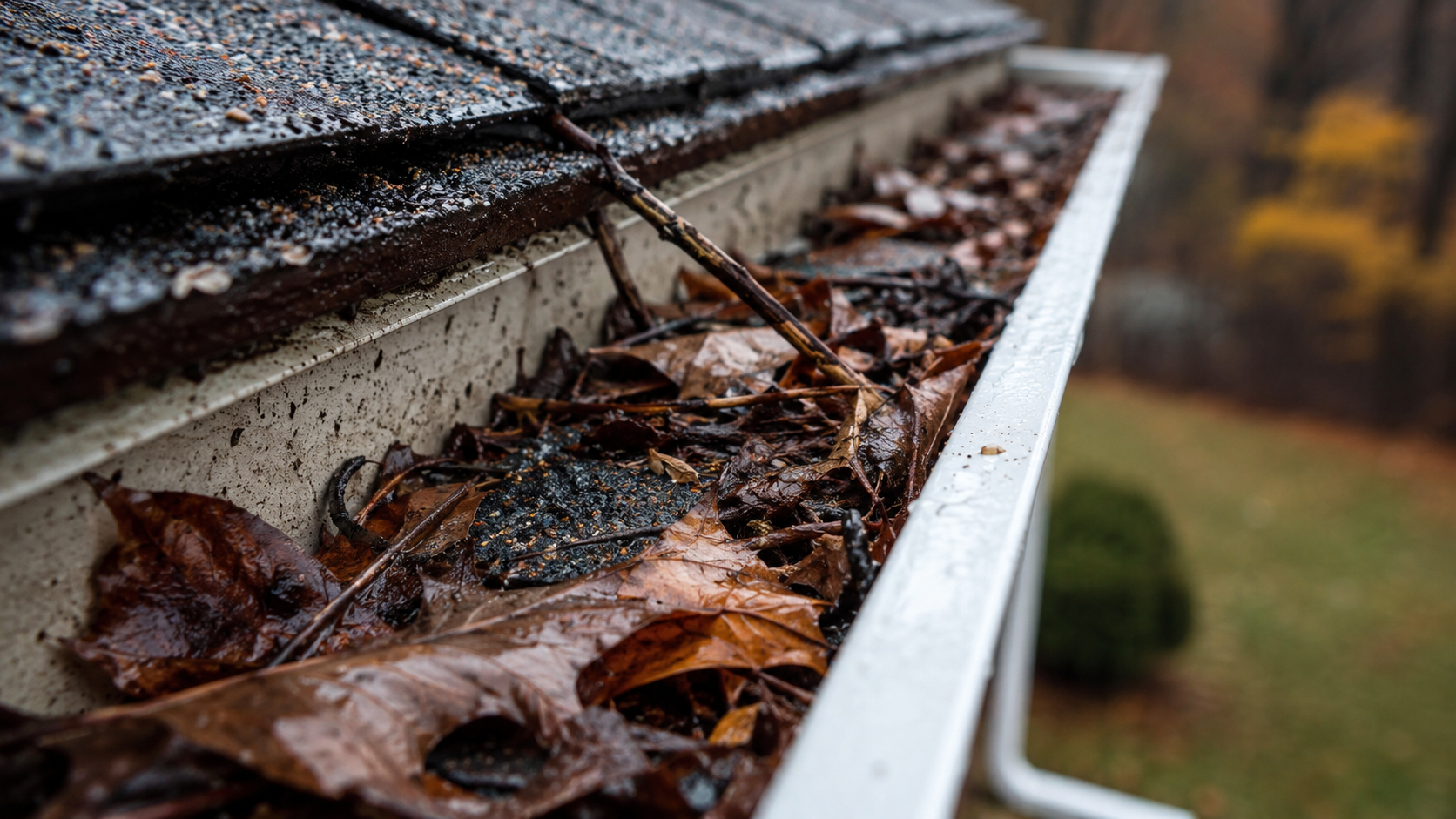
– Clear debris from eavestroughs to avoid overflowing water and staining.

– Repair visible damage that might concern buyers or inspectors.


• Junk Removal and Odd Jobs

– Remove old furniture, renovation leftovers, and yard waste.

– Complete small repairs: loose handrails, damaged screens, or peeling caulking.


These simple upgrades give realtors more to work with when marketing your home and reduce buyer objections during showings.


Boosting Curb Appeal For Toronto Buyers


First impressions start at the sidewalk. In a walkable city like Toronto, many potential buyers will drive or stroll past before booking a showing. To maximize curb appeal this spring:


• Ensure front windows are spotless, inside and out.

• Power wash the front walkway, porch, and driveway.

• Touch up exterior paint on doors, railings, and trim where peeling or faded.

• Clear out clutter from porches, balconies, and side yards.


These changes are especially important for townhomes and semis in downtown and midtown neighbourhoods, where every detail is visible up close.


Why Work With A Professional Pre-Listing Team


Trying to manage painting, window cleaning, junk removal, and exterior washing on your own can be overwhelming—especially while planning your next move. A professional team like Perfect Window and Eaves Cleaning Inc. can:


• Coordinate interior painting, window cleaning, power washing, and eavestrough services.

• Help you prioritize projects with the best return for your budget and timeline.

• Deliver consistent, high-quality results that show well in person and in photos.


Sell With Confidence This Spring


If you’re planning to sell your Toronto home this spring, now is the time to get your property market-ready. Strategic painting and thorough cleaning can help your listing stand out, attract serious buyers, and sell faster in a competitive GTA market.


Contact Perfect Window and Eaves Cleaning Inc. today for a free, no-obligation estimate. Our experienced team will assess your home, recommend targeted painting and cleanup services, and help you present a polished, move-in-ready property—backed by our commitment to 100% customer satisfaction.

Share This Blog

By Burak Yayla June 3, 2026
Eavestroughs and gutters quietly protect Toronto homes and businesses by directing rain and melting snow away from foundations, siding, and landscaping. When they clog with leaves, shingle grit, and debris, water can overflow and cause avoidable damage—making eavestrough cleaning in Toronto an essential seasonal task, not an afterthought.
By Burak Yayla June 2, 2026
Clear, streak-free glass can transform how a property looks and feels, especially in Toronto where seasonal grime, road salt, and hard-water spotting build up quickly. This guide explains what high-quality window cleaning involves, what it costs, and how to choose the best window cleaning Toronto property owners can rely on year-round.
By Burak Yayla May 20, 2026
In Toronto’s four-season climate, clean windows do more than improve curb appeal—they protect glass and frames from grime, salt residue, and construction dust while letting in more natural light. Interior and exterior window cleaning, done on a consistent schedule, helps homes and low-rise properties across the GTA stay brighter, healthier, and easier to maintain. Interior & Exterior Window Cleaning Why professional window cleaning matters in Toronto Toronto properties face unique challenges that make routine window care a practical investment. Winter road salt and freeze-thaw cycles can leave mineral deposits on exterior glass. Spring pollen and summer humidity can cause film buildup, while fall debris can clog eavestroughs and splash dirt onto siding and windows. In dense neighbourhoods, nearby renovations and condominium construction can also introduce fine dust that bonds to glass and tracks. Professional interior and exterior window cleaning typically includes a detail-focused process: removing loose debris, washing glass, clearing edges and frames, and finishing for a streak-free result. For homeowners and property managers seeking the best interior and exterior window cleaning Toronto providers offer, the difference is often in the details—proper water management, safe ladder use, and the right tools for different glazing types. What’s included: interior vs. exterior window cleaning Interior window cleaning Interior glass tends to collect household film from cooking vapours, dust, and off-gassing from materials, plus fingerprints and pet nose marks. A thorough service usually covers: Glass washing and polishing for a clear finish Wiping sills and ledges (where accessible) Detailing corners and edges where haze often remains Spot-checking screens from the interior side (where applicable) For condos and townhomes, interior-only appointments can be a helpful option when exterior access is limited or managed by a building. Exterior window cleaning Exterior glass is exposed to weather, pollution, and organic debris. A quality exterior service often includes: Pre-rinse to remove grit that can scratch glass Scrubbing with a professional washer or soft bristle tools Squeegee finishing and edge detailing Light frame wiping and sill rinse where safe and appropriate Some companies use traditional methods, while others use water-fed pole systems with purified water for certain heights and window types. The correct method depends on access, glass condition, and the risk of overspray near vents, brick, and wood trim.
By Burak Yayla May 19, 2026
Residential & Commercial Painting
By Burak Yayla May 7, 2026
Toronto’s freeze-thaw cycles, spring downpours, and mature tree canopy make eavestrough repair a common—and time-sensitive—home maintenance task. When gutters fail, water can spill near the foundation, damage fascia and soffits, and contribute to basement moisture, making early diagnosis and targeted fixes the most cost-effective approach. Gutters direct roof water away safely Eavestrough Repair in Toronto: A Practical Guide to Protecting the Home Why functioning eavestroughs matter in Toronto Eavestroughs (gutters) are designed to capture roof runoff and direct it safely away from the structure through downspouts and extensions. In Toronto, where winter ice, rapid thaws, and heavy rain events can occur within the same season, a compromised system often shows up quickly: overflowing water, ice buildup at the roof edge, or staining on siding. Timely eavestrough repair helps prevent avoidable damage to roof edges, brickwork, landscaping, and the foundation perimeter. Most problems begin small—an open seam, a loose bracket, a partially blocked downspout—and then escalate. Overflowing gutters can saturate soil beside the home, increasing hydrostatic pressure against foundation walls. Water can also track behind the gutter, wetting fascia boards and soffits. For many Toronto homes, especially older properties with mature trees, seasonal maintenance and occasional gutter repair are essential to long-term building performance. Common eavestrough problems homeowners encounter Effective eavestrough repair starts with identifying the failure point. Toronto’s weather and debris loads create a predictable set of issues. Clogs and poor flow : Leaves, seeds, and shingle granules can restrict the trough or downspout, leading to overflow during rain. Leaks at seams, corners, and end caps : Older sealant can crack, and fasteners can loosen over time. Sagging sections : Loose hangers or undersized fastening can cause a low spot that holds water and accelerates corrosion. Improper slope : If the pitch is too flat or slopes away from the downspout, standing water and debris buildup are more likely. Downspout issues : Crushed, disconnected, or clogged downspouts can make a healthy gutter overflow. Ice and winter stress : Snow loads and freeze-thaw cycles can pull gutters away from fascia or open seams, especially where ice accumulates. Rust or pinholes (metal systems) : Steel components can corrode; small pinholes often appear before larger failures. Warning signs that eavestrough repair is needed Some symptoms are obvious, while others are subtle until damage appears. A quick exterior check during or after rainfall can reveal early problems. Water spilling over the front edge of the gutter during moderate rain Dripping at seams, corners, or behind the gutter line Peeling paint, soft wood, or staining on fascia and soffits Pooling water near the foundation or eroded soil under an eaves line Gutters pulling away from the roof edge or visible sag between hangers Plants growing in the trough or persistent debris buildup Basement dampness that worsens after storms (often linked to poor drainage) In Toronto’s climate, these signs should be treated as urgent during spring and fall, when rain events are frequent and temperatures fluctuate around freezing. How eavestrough repair is typically done Professional gutter repair generally follows a simple logic: restore water flow, re-establish correct slope, and ensure secure attachment to the fascia, then test the system. While each home differs, these are the most common repair steps. 1) Clearing debris and restoring flow Clog removal is often the fastest improvement. Debris is cleared from troughs, downspouts are flushed, and elbows are checked for blockages. If downspouts discharge too close to the foundation, extensions or splash blocks are often recommended to move water farther away. 2) Sealing leaks at joints and end caps Leaking seams and corners may be re-sealed using appropriate exterior sealants and replacement fasteners. Failed sealant is removed where possible, then surfaces are cleaned and dried before resealing for better adhesion. For older systems with multiple failing seams, it may be more cost-effective to replace sections rather than repeatedly patching. 3) Re-hanging sagging or loose sections Sagging gutters are typically corrected by adding or replacing hangers and ensuring they anchor into solid material. The goal is to remove low spots that trap water. A properly supported eavestrough line can reduce standing water, limit winter ice stress, and improve drainage during storms. 4) Correcting slope (pitch) A gutter should slope gently toward downspouts to prevent water from pooling. If the pitch is wrong due to settlement or previous improper installation, the run may be re-leveled and re-secured. This is a common eavestrough repair on older Toronto homes where fascia boards may have shifted over time. 5) Repairing or replacing downspouts Downspouts are critical to system performance. Repairs can include reattaching disconnected joints, replacing crushed sections, adding elbows to improve routing, or improving discharge away from the house. When water is carried farther from the foundation, the entire drainage system works better. Common gutter leak and support components Toronto-specific factors: ice, trees, and older housing stock Local conditions influence both the frequency of gutter repair and the best long-term strategy. Freeze-thaw cycles : Water trapped in low spots can freeze, expand, and open seams. Correct slope and secure hangers reduce this risk. Snow and ice accumulation : Heavy snow loads can stress fasteners and fascia. Where ice buildup is recurring, improving attic insulation and ventilation may help reduce meltwater refreezing at the roof edge. Mature trees : Many Toronto neighbourhoods have significant canopy coverage, increasing leaf and seed debris. Seasonal cleaning and, in some cases, gutter guards can help—though guards still require periodic inspection. Older fascia and soffit materials : In older homes, wood components may be softened by prior leaks. Eavestrough repair may need to include fascia board repair so new fasteners can hold properly. Repair vs. replacement: how to decide Not every issue calls for a full system replacement. The decision typically depends on the extent of damage, the age and material of the gutters, and how many failure points exist. Repair is usually appropriate when the gutter has isolated leaks, a few loose hangers, minor slope issues, or a damaged downspout section. Partial replacement makes sense when one run is heavily damaged, sections are bent, or seams repeatedly fail in the same area. Full replacement may be more cost-effective if there is widespread corrosion, multiple failing seams, chronic overflow despite cleaning, or significant fascia deterioration. Seamless aluminum systems are common in the GTA because they reduce the number of joints where leaks develop. However, even seamless gutters can require eavestrough repair at corners, end caps, downspout outlets, and attachment points. What a thorough inspection should include A reliable inspection focuses on water control, not just the visible gutter line. A comprehensive assessment typically checks: Gutter attachment points and spacing of hangers Evidence of overflow: staining, drip lines, soil erosion, or splashing marks Seam and corner integrity, including end caps and outlets Pitch consistency along each run Downspout alignment, clogs, and discharge distance from the foundation Condition of fascia boards and soffits behind the gutter Signs of ice-related stress or previous winter damage In Toronto, inspections are most productive in spring (post-winter) and fall (after leaf drop). After an extreme storm, a quick check can catch damage early. Maintenance tips that reduce future eavestrough repair Preventive care limits emergency calls and extends system life. The best maintenance plan is simple and consistent. Clean gutters seasonally : Many Toronto properties benefit from cleaning in late spring and late fall; homes with heavy tree coverage may need additional checks. Flush downspouts : Clearing the trough is not enough if the downspout is restricted. Ensuring free flow reduces overflow. Check after wind events : Strong winds can loosen brackets and dislodge elbows or extensions. Confirm discharge routing : Downspouts should direct water away from the foundation. Extensions should be secure and positioned to prevent water from returning toward the home. Address minor leaks early : Small seam leaks can become rot and fastener failure if left through multiple seasons. Keep roof valleys and edges clear : Debris on the roof can wash into gutters and accelerate clogging. Choosing an eavestrough repair service in Toronto When hiring a local contractor, homeowners typically look for clear diagnostics, durable materials, and workmanship aligned with Canadian weather conditions. A reputable provider should be able to explain the root cause of overflow or leakage, identify whether the issue is slope, blockage, attachment, or fascia condition, and outline repair options with a plan to test flow afterward. It is also reasonable to expect guidance on long-term drainage improvements, such as downspout extensions, splash blocks, or rerouting discharge to reduce foundation saturation. For properties with recurring winter problems, recommendations may include addressing roof-edge ice contributors in addition to gutter repair. Conclusion: protect the home by fixing the flow Eavestrough repair is one of the most practical ways to protect a Toronto home from water damage. By addressing clogs, leaks, sagging runs, and downspout problems early, homeowners can reduce overflow, limit fascia and soffit deterioration, and keep water away from the foundation. With routine inspections and seasonal maintenance tailored to Toronto’s climate, most gutter systems can perform reliably year after year.
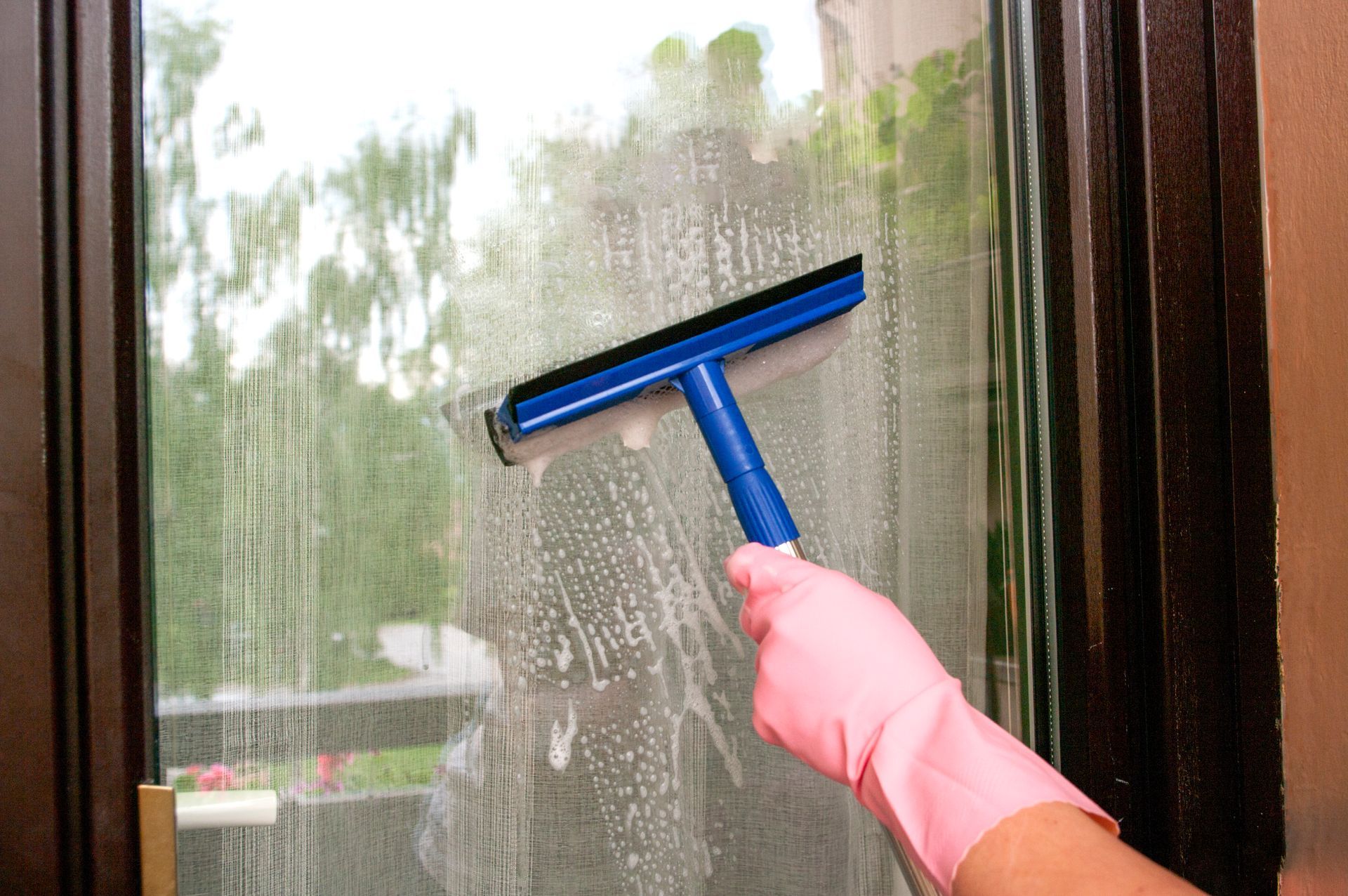
Person wearing pink glove using a blue squeegee to clean a window.
By Burak Yayla April 7, 2026
How often should you clean exterior windows in Toronto? Explore spring cleaning timelines, safe ladder‑free methods, and when to book professional window cleaners.
Person pressure washing a gray patio with water, near plants and steps.
By Burak Yayla March 17, 2026
Ask “Is power washing worth it?” this spring? Compare DIY vs. pro results, learn when it’s safe to wash in Toronto’s climate, and which surfaces need expert care.
Gutter filled with brown pine needles, next to a gray shingled roof, on a sunny day.
By Burak Yayla March 4, 2026
Wondering when to clean eavestroughs after winter? Learn how often to schedule spring gutter cleaning, signs of clogs, and how leaf guards protect Toronto homes.
Person painting a white ceiling with a paint roller on a long handle.
By Burak Yayla February 17, 2026
Get answers to top questions on Family Day repaints: best interior paint colours, how long paint takes to dry, and when to hire Toronto pros for a flawless finish.
Hand in yellow glove uses sponge to clean a soapy window.
By Burak Yayla February 4, 2026
Discover how often to clean windows in a Toronto winter, the best streak‑free methods, and when to hire pros so your home looks its best for Valentine’s and Family Day.