Residential & Commercial Painting
Residential & Commercial Painting
Residential & Commercial Painting in Toronto is more than a finishing touch—it is a practical investment that protects surfaces from moisture, wear, and UV exposure while elevating curb appeal and brand presentation. For property owners across the GTA, choosing the right materials, scope, and contractor makes the difference between a quick refresh and a durable, professional result.
Why painting matters in Toronto’s climate and building mix
Toronto properties face freeze–thaw cycles, humidity swings, road-salt residue, and intense summer sun. These conditions accelerate paint failure on exteriors and stress interior coatings in high-traffic zones such as condo corridors, stairwells, retail storefronts, and busy family kitchens. A well-planned Residential & Commercial Painting project accounts for seasonal timing, substrate condition, and coating performance so that finishes last longer and maintenance becomes predictable.
Across older brick homes, mid-century bungalows, newly built townhomes, and mixed-use commercial spaces, the right prep and primer system is often more important than the colour itself. Toronto house painting outcomes improve when coatings are selected for the actual surface—drywall, plaster, brick, aluminum siding, stucco, block, or previously painted trim—and when moisture and adhesion risks are addressed early.
Residential painting services: what’s typically included
Homeowners often compare the Best residential painters in GTA by reviewing what is included in the scope, not only the headline price. A professional residential scope typically covers protection, prep, repairs, and a consistent finish across all visible surfaces.
Common interior residential scope
- Room preparation: floor and furniture protection, masking, and ventilation planning
- Surface repairs: nail holes, minor drywall repairs, caulking gaps, and sanding
- Priming: stain-blocking for water marks, tannins, and patchwork areas
- Finish coats: walls, ceilings, doors, baseboards, trim, and accent features
- Cleanup and final walkthrough: touch-ups and disposal aligned with building rules
Common exterior residential scope
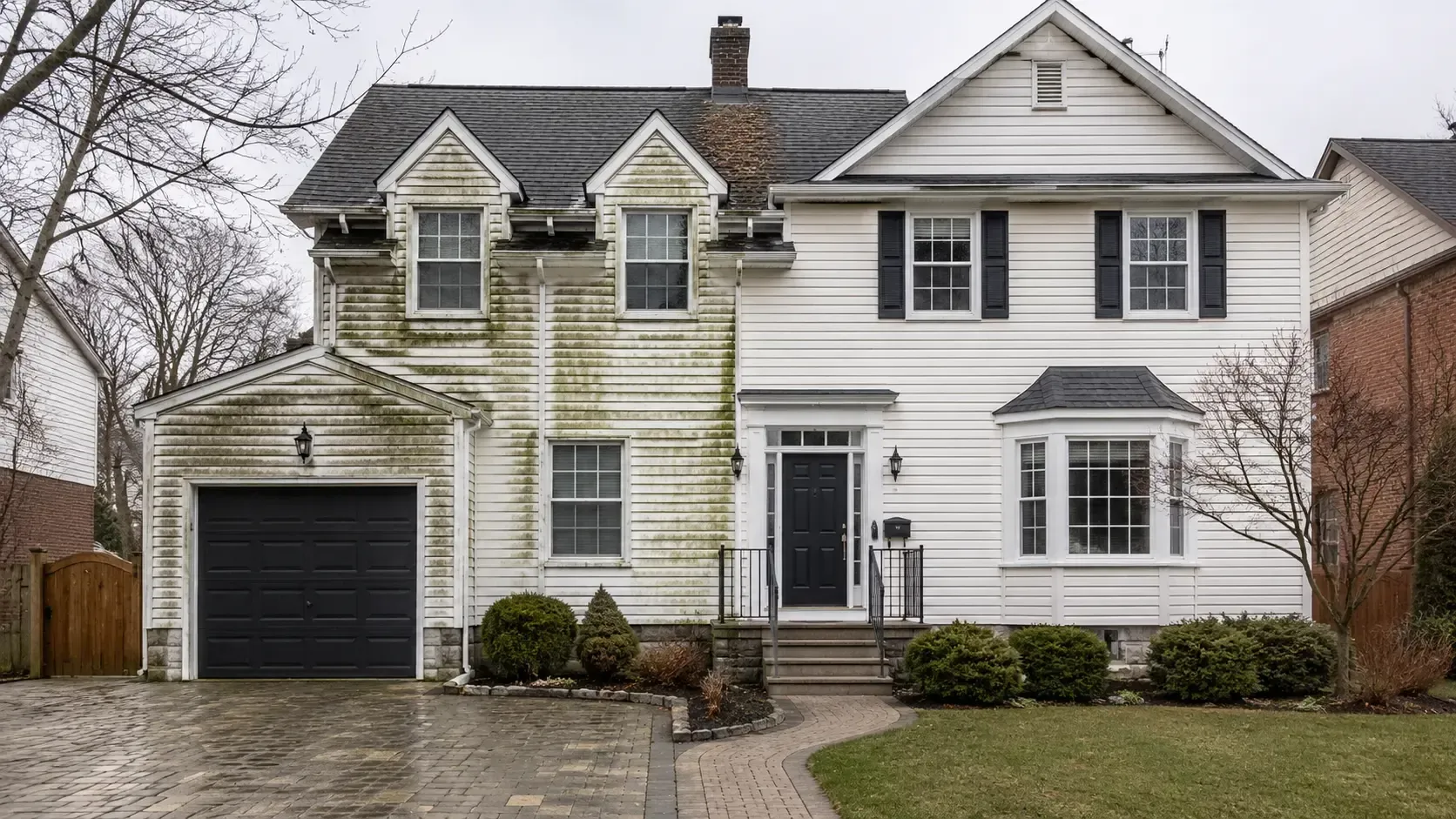
- Pressure washing or gentle cleaning where appropriate
- Scraping and sanding failing paint edges
- Spot-priming bare wood, metal, or repaired sections
- Caulking and sealing joints to reduce water intrusion
- Topcoats for siding, trim, doors, soffits, and fascia
For Toronto homeowners who want reliable Toronto interior home painting estimates, it helps to request a written scope that lists: number of coats, paint line/finish, prep steps, areas excluded, and timeline. That detail is what makes comparisons fair.
Commercial painting: performance, scheduling, and compliance
Commercial properties have different constraints than homes: operating hours, safety requirements, durability expectations, and brand consistency. Commercial painting contractors Toronto clients rely on typically prioritize minimal disruption and clear coordination with property management.
Typical commercial environments
- Retail units and storefronts (high visibility, quick turnarounds)
- Office suites (odour control, low-VOC systems, weekend scheduling)
- Industrial and warehouse spaces (hard-wearing coatings, concrete and steel)
- Condo common areas (hallways, stairwells, doors, amenity spaces)
- Restaurants and hospitality (washable coatings, moisture management)
Toronto commercial property painters near me are often chosen based on their ability to work overnight, on weekends, or in phases to keep the business open. Clear staging plans, dust control, and durable coatings—such as scuff-resistant wall paints and high-adhesion primers—can reduce future touch-ups and ongoing maintenance costs.
Durable finishes for commercial spaces
Pricing in 2026: what drives painting costs in Toronto
Pricing for Residential & Commercial Painting in the GTA is shaped by labour, access, prep conditions, paint system selection, and scheduling requirements. While exact quotes must be site-specific, understanding the cost drivers helps property owners set realistic budgets and evaluate estimates.
Key factors that influence price
- Surface condition: extensive patching, peeling paint, water stains, or damaged trim increases labour time
- Access and height: stairwells, high ceilings, or exterior elevations may require specialized equipment
- Product selection: premium washable or scuff-resistant coatings cost more but can last longer
- Number of coats and colour changes: deep colours and major shifts often need extra coats
- Site rules: condo move-in/move-out windows, elevator bookings, or after-hours work
- Protection requirements: occupied spaces, sensitive equipment, or newly installed flooring
Toronto house painting cost 2026: realistic expectations
When people search Toronto house painting cost 2026, they are usually trying to forecast whether a refresh is a small cosmetic project or a larger improvement that includes repairs and trim. In practice, Toronto costs tend to vary most based on prep and the number of detailed surfaces (doors, trim profiles, railings, textured ceilings). A quote that looks higher may still be better value if it includes thorough prep, durable paints, and a clear warranty.
Cost to paint a condo in Toronto per square foot
For condos, many owners ask about the cost to paint a condo in Toronto per square foot because it simplifies comparison. However, price-per-square-foot can be misleading if one estimate assumes minimal prep and another includes ceiling painting, trim, doors, closets, or feature walls. In a typical condo, the “detail surfaces” (doors, frames, baseboards) can represent a significant portion of labour time even if the unit is modest in size. To get an accurate projection, Toronto interior home painting estimates should clarify exactly which surfaces are included and whether one or two finish coats are planned.
Commercial pricing: why it differs from residential
Commercial painting often includes additional constraints such as phased work, off-hours labour, and higher-performance coatings. Commercial painting contractors Toronto businesses hire may quote based on square footage, linear footage (for corridors), or by unit (doors, frames, stairwells). The most accurate commercial proposals tie price to measurable quantities and spell out shutdown plans, drying times, and protection requirements.
How to compare painting estimates without guesswork
In Toronto’s competitive market, the best estimates read like a project plan. Whether the goal is a full home repaint, a condo refresh before listing, or a commercial turnover, clarity prevents surprises.
What a strong estimate should include
- Itemized areas: rooms, ceilings, trim, doors, stairwells, or exterior elevations
- Prep details: patching level, sanding, caulking, stain-blocking, and any power washing
- Paint details: product line, sheen (matte/eggshell/satin/semigloss), and colour count
- Coat count: primer and number of finish coats per surface
- Schedule and access: start date, estimated duration, and daily work windows
- Exclusions: what is not included (e.g., major drywall replacement, mould remediation, carpentry)
- Warranty terms and touch-up policy
For those trying to identify the Best residential painters in GTA, consistency and transparency matter: a detailed scope, documented prep standards, and clear communication are often better indicators than the lowest price.
Choosing the right paint system: durability, cleanability, and finish
Paint is a system—primer plus topcoat—matched to the surface and conditions. In both residential and commercial settings, Toronto properties benefit from coatings designed for washability, stain resistance, and adhesion to previously painted finishes.
Interior recommendations by space
- Living areas and bedrooms: low-sheen, washable finishes for a smooth look and easier maintenance
- Kitchens and bathrooms: moisture-resistant, scrub-friendly coatings with proper ventilation planning
- Trim and doors: harder finishes (often semigloss) for durability and wipeability
- Condo common areas: scuff-resistant wall paints and tougher enamel systems on doors and frames
Exterior recommendations by surface
- Wood: primers that seal and reduce tannin bleed, plus flexible topcoats
- Metal: rust-inhibiting primers and compatible topcoats
- Masonry: breathable coatings designed for brick/block moisture movement
Product selection is also about practicality. For example, downtown Toronto condos may prioritize low-odour, quick-cure paints to reduce downtime, while retail spaces may prioritize abrasion resistance and consistent colour under bright lighting.
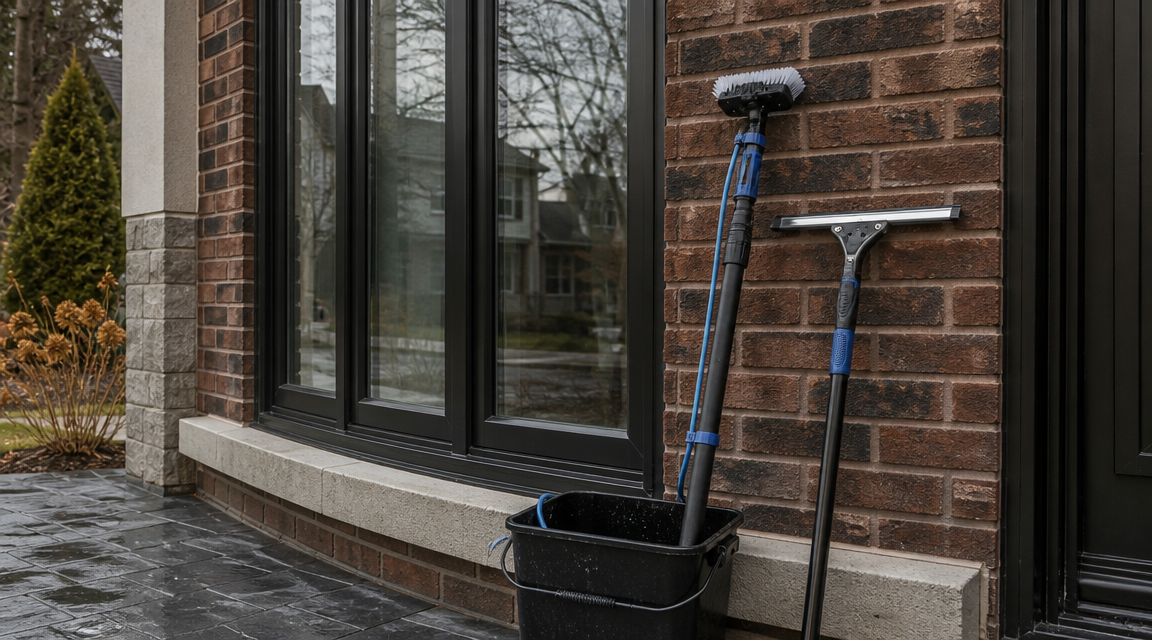
Tools and materials for quality prep
Project timelines: what to expect for homes, condos, and commercial spaces
Timelines vary widely, but most projects follow a predictable sequence: protect, prep, prime, paint, detail, and clean. The difference between a smooth project and a stressful one often comes down to access planning and drying times.
Residential and condo timelines
- Single rooms: often completed within a day or two depending on repairs and drying
- Full condo interior: commonly staged room-by-room, with extra time for trim and doors
- Full house interiors: typically phased by floors to maintain livability
Commercial timelines
- Tenant turnover: can be accelerated when colours are standardized and prep is light
- Occupied offices: frequently scheduled after-hours or on weekends to avoid disruption
- Condo common areas: phased to keep corridors and stairwells usable and compliant
Toronto commercial property painters near me are often expected to coordinate with security, building operations, and cleaning teams. A credible schedule accounts for curing time, especially on doors and trims that must be handled regularly.
Quality checkpoints that protect the finish
In Residential & Commercial Painting, quality is most visible at the details: straight cut lines, smooth walls, consistent sheen, and clean trim edges. A strong contractor also manages what is less visible but equally important—adhesion, moisture control, and proper curing.
- Prep verification: patched areas feathered smooth, gloss surfaces deglossed, stains sealed
- Coverage checks: even colour and sheen with adequate film build
- Edge detail: crisp lines at ceilings, trim, and corners
- Site cleanliness: masking removed cleanly, floors protected, and dust managed
- Final walkthrough: punch-list items documented and completed
Property owners comparing Commercial painting contractors Toronto options should look for consistent documentation: product data, safety practices, and clear closeout steps, especially in regulated or high-traffic sites.
How to get accurate Toronto interior home painting estimates
Accurate estimates begin with consistent inputs. A clear request helps contractors price the same scope and reduces change orders later.
Information to share when requesting quotes
- Address, unit type (detached, semi, condo), and approximate size
- List of rooms and surfaces to be painted (walls/ceilings/trim/doors)
- Current condition notes: cracks, peeling, stains, smoke damage, or water marks
- Preferred timing and any building restrictions (elevator bookings, quiet hours)
- Colour direction (matching existing colours or full change)
For condos, include ceiling height, number of doors, and whether closets and interior doors are included. These details matter as much as square footage when estimating the cost to paint a condo in Toronto per square foot.
Conclusion: aligning scope, materials, and contractor for lasting results
Residential & Commercial Painting projects in Toronto succeed when the scope is clearly defined, the paint system matches the surfaces and usage, and scheduling is planned around access and curing time. Whether the priority is understanding Toronto house painting cost 2026, finding Commercial painting contractors Toronto businesses can trust, or narrowing down the Best residential painters in GTA, the most reliable path is a detailed written estimate that specifies prep standards, products, coats, and timelines. With those fundamentals in place, both homes and commercial properties can achieve a clean, durable finish that stands up to Toronto’s conditions and daily wear.
Share This Blog