Exterior House Washing
Exterior House Washing
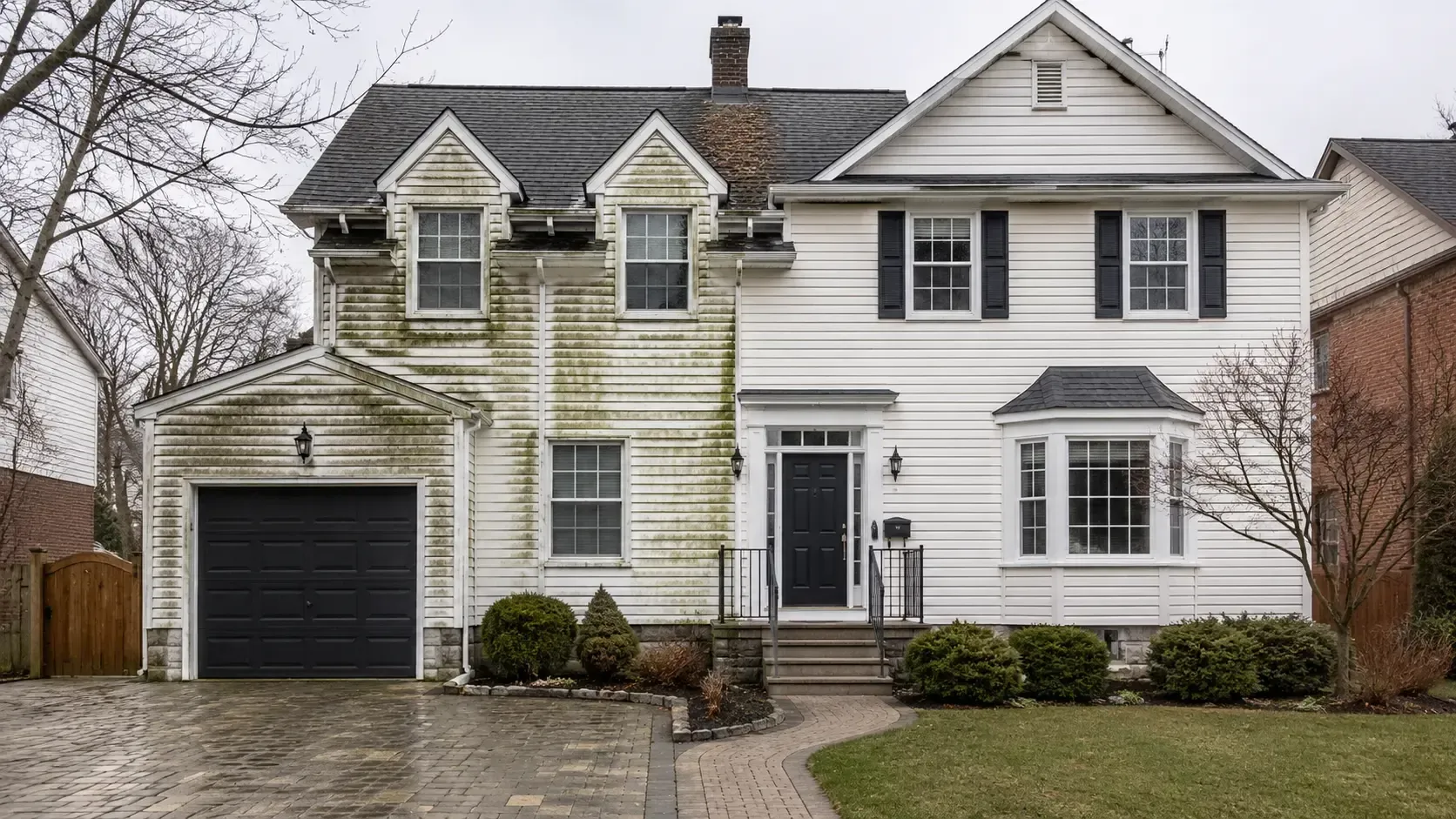
Exterior house washing helps Toronto homeowners protect siding, brick, stone, and windows from grime, algae, and winter residue while improving curb appeal. With the right approach, it can extend the life of exterior materials and reduce the need for costly repairs.
Exterior House Washing
Why exterior house washing matters in Toronto
Toronto’s climate puts steady pressure on building exteriors. Freeze-thaw cycles, road salt spray near busy streets, pollen bursts in spring, humid summers, and windblown dust can all leave a home looking dull and weathered. Over time, these deposits may trap moisture against surfaces, encourage organic growth, and accelerate staining.
Regular house washing exterior maintenance is not only aesthetic. It can also support:
- Material longevity by removing contaminants that can degrade finishes.
- Moisture management by clearing algae and mildew that hold water against siding and trim.
- Preventive upkeep by making it easier to spot failing caulking, cracked mortar, or peeling paint early.
- Property value through improved curb appeal, especially before listing or refinancing.
Power washing vs. soft washing: choosing the safe method
Not every surface benefits from the same pressure level. In professional cleaning services, “power washing” typically refers to using high-pressure water to break up dirt and stains, while “soft washing” uses low pressure and appropriate detergents to treat organic growth and lift grime. The key is matching the method to the material.
When power washing is appropriate
Power washing is often suitable for hard, durable surfaces that can handle higher pressure and abrasion. Examples may include:
- Concrete driveways, walkways, and patios
- Interlock pavers (with care to protect joint sand)
- Some brick and stone surfaces in good condition
- Garage floors or exterior steps where deep grime builds up
Even on these surfaces, pressure settings, nozzle choice, distance, and spray angle matter. Excessive pressure can etch concrete, loosen mortar, or cause premature surface wear.
When soft washing is the better choice
Soft washing is typically preferred for delicate or painted materials and areas where water intrusion could cause damage. It is commonly used for:
- Vinyl, wood, and fiber cement siding
- Stucco and EIFS systems
- Painted trim, soffits, and fascia
- Roof-adjacent exterior sections affected by algae
Soft washing reduces the risk of forcing water behind siding or into wall cavities. For a safe and effective house washing exterior plan, the method should be determined by surface condition, age, and existing coatings.
What “cleaning outside the house” should include
Exterior house washing is most effective when it is treated as a system, not a single task. Dirt on one surface often migrates to others, and streaking may return faster if adjacent areas are ignored. A thorough scope of work for cleaning outside the house may cover the following.
- Siding and trim: Removal of atmospheric dirt, cobwebs, algae, and mildew staining.
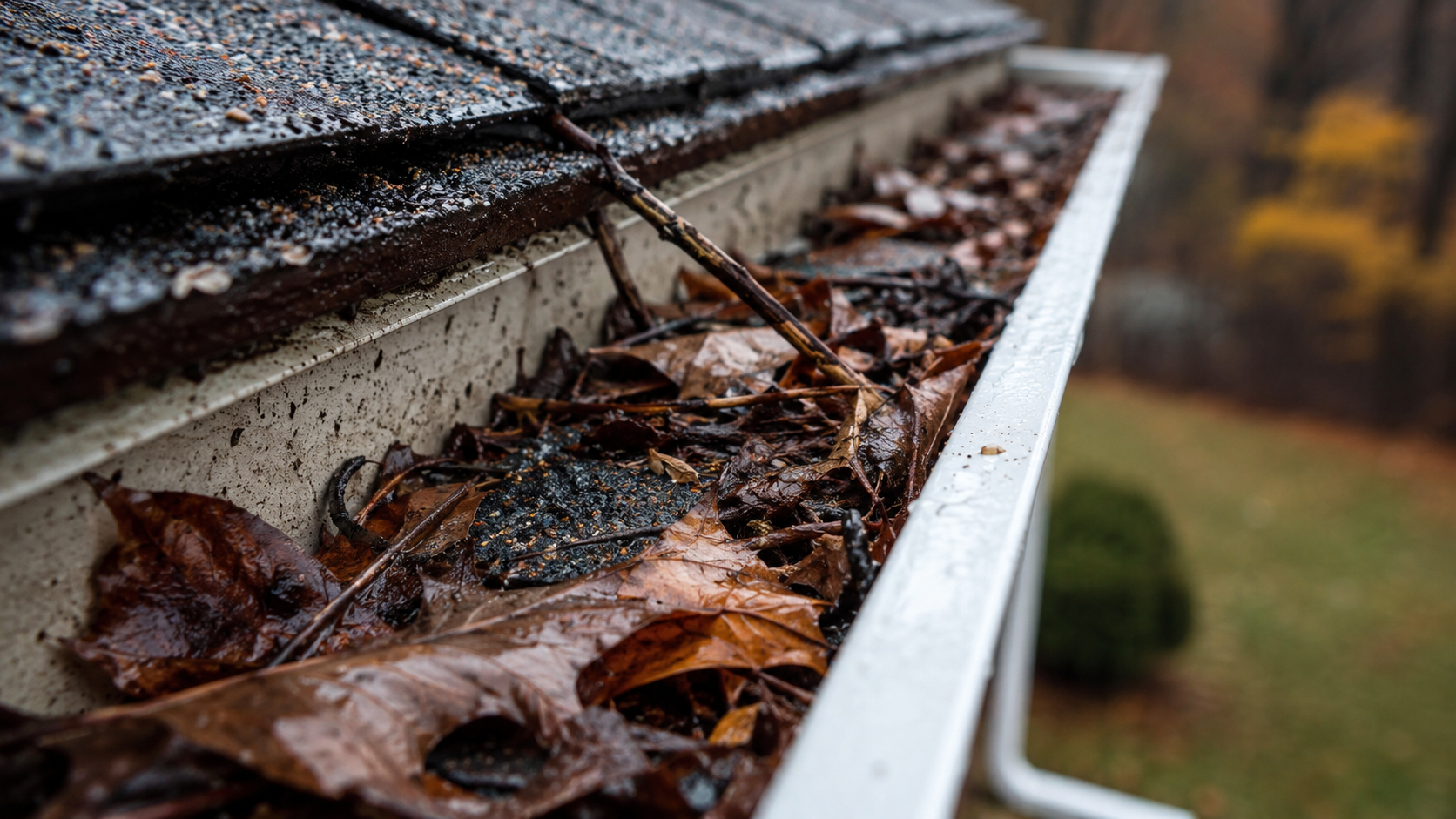
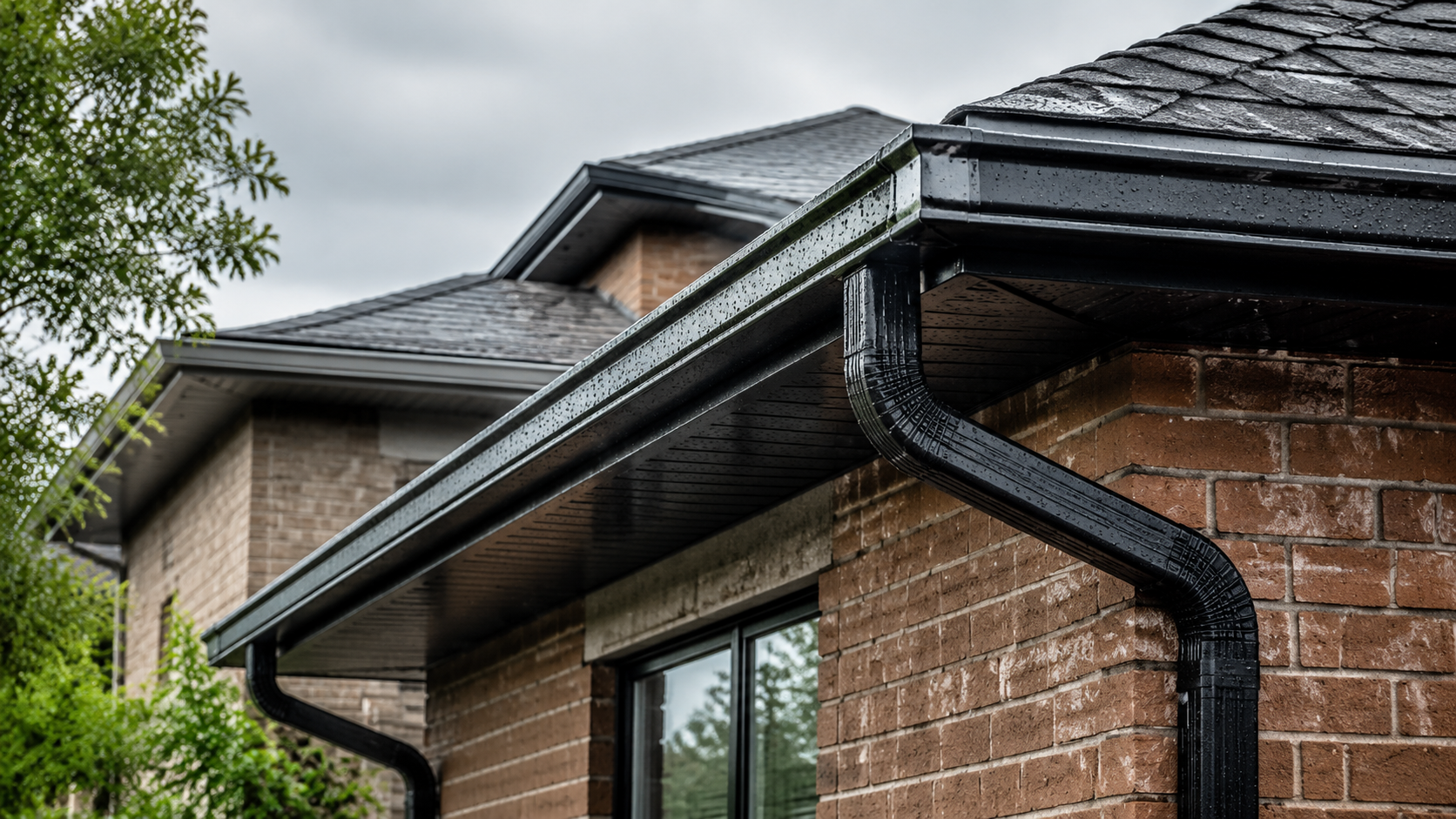
- Gutters and downspouts: Exterior brightening to address tiger-striping and oxidation where possible.
- Porches, railings, and stairs: Safe cleaning to remove grime and reduce slip risk.
- Driveways and walkways: Power washing to lift embedded dirt and winter residue.
- Decks and fences: Material-appropriate cleaning and optional restoration prep.
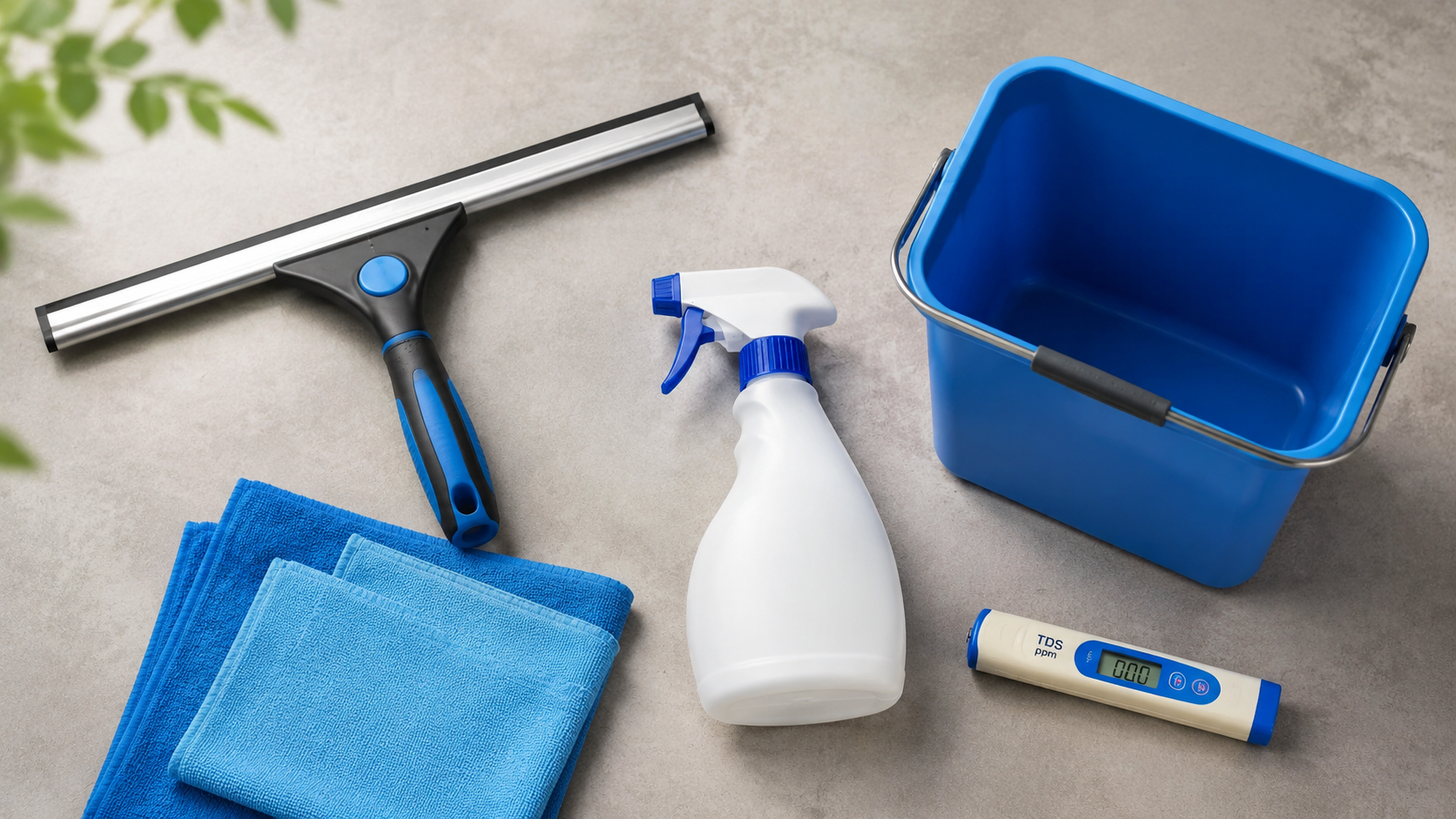
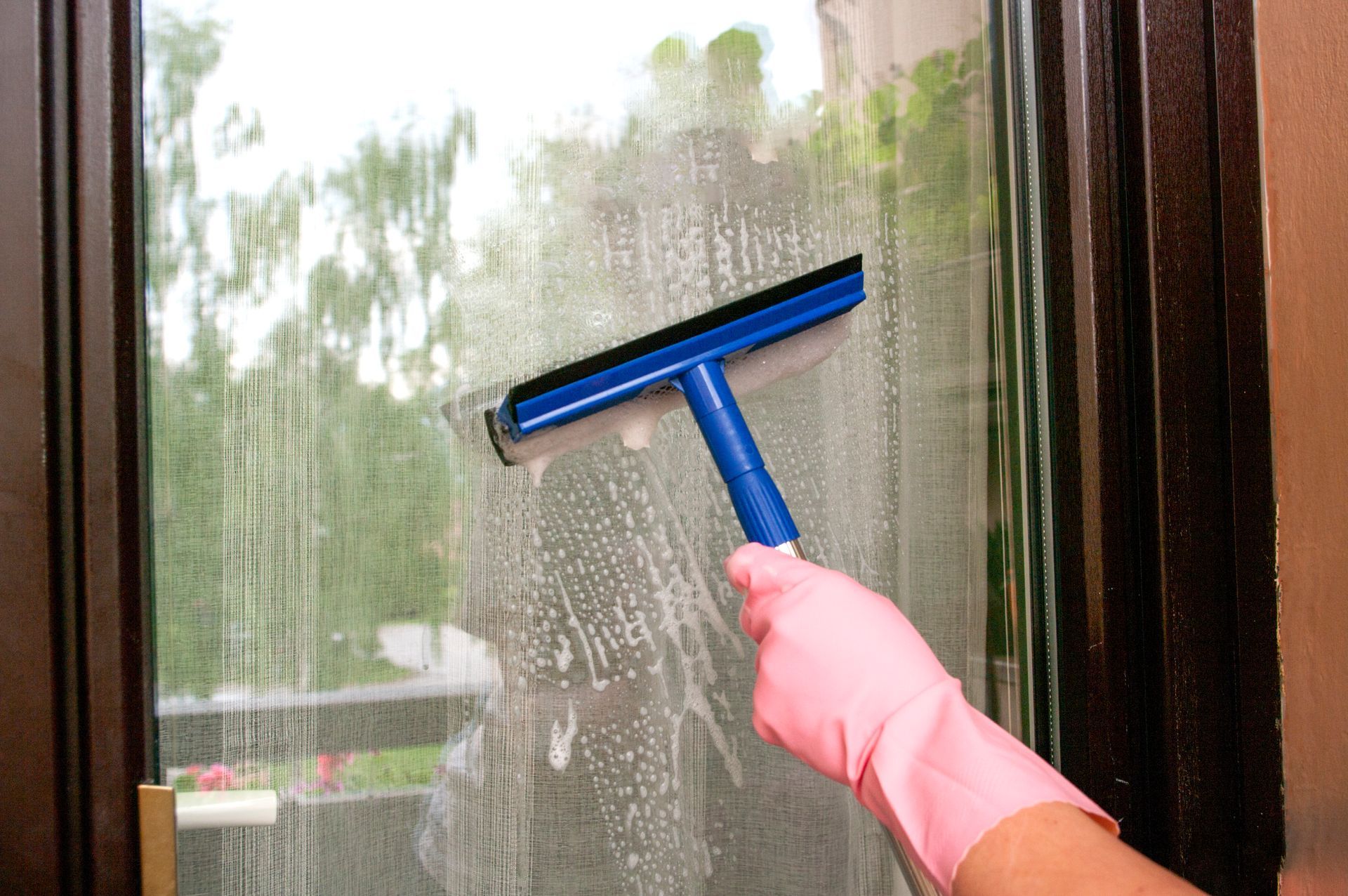
- Window cleaning: Removal of film, dust, and water spotting where accessible and safe.
Combining services can also minimize repeated setup costs and improve overall consistency of results.
Common exterior stains and what causes them
Understanding what is on the surface helps determine the right cleaning approach. Different stains respond to different detergents and dwell times, and some need gentler handling to protect finishes.
- Green or black growth: Often algae or mildew thriving on shaded or damp walls.
- Brown streaks: Can be tannins from wood, rust from metal fixtures, or runoff from balcony planters.
- White chalky residue: Oxidation on older vinyl or painted surfaces; may require specialized treatment.
- Efflorescence: Salts migrating through masonry; indicates moisture movement and needs careful cleaning.
- Road film and winter residue: Fine grime, salt, and pollutants that cling to lower wall sections near streets.
In Toronto, the lowest 60–90 cm of siding and masonry often shows the fastest buildup due to splashback and street dust.
Window cleaning as part of exterior washing
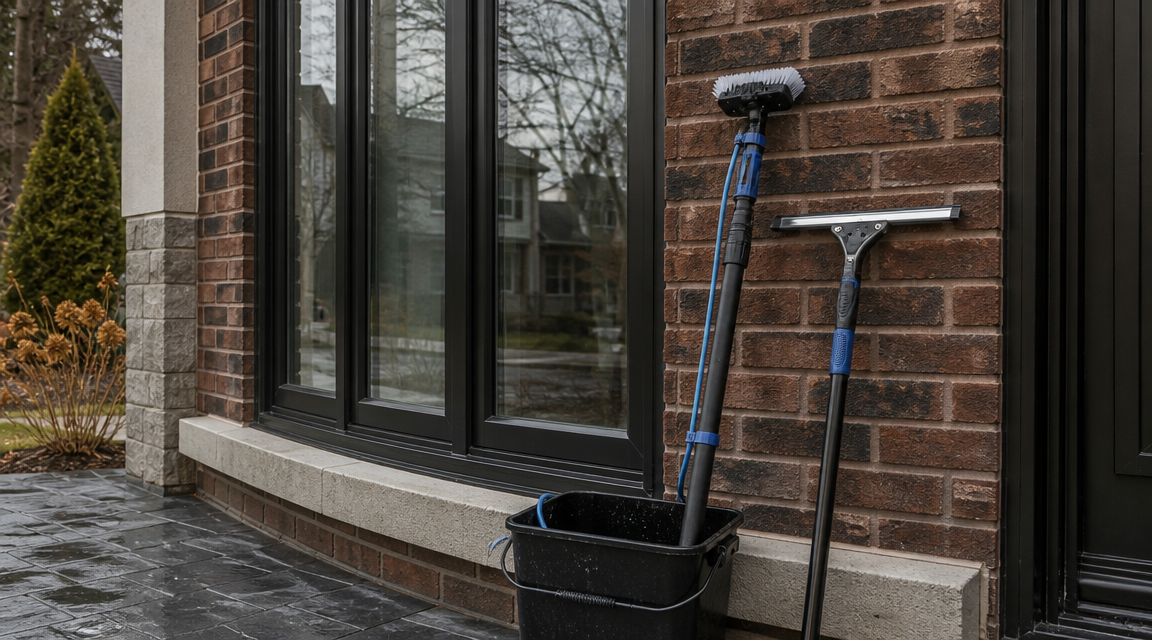
Window cleaning is frequently requested alongside exterior washing because clean siding can make glass smudges and spotting more noticeable. A coordinated approach helps avoid re-splattering glass after it has been cleaned.
A typical exterior window cleaning scope may include:
- Glass cleaning to remove dust, pollen, and grime
- Frame and sill wipe-down where accessible
- Screen rinsing or light cleaning if included in the service package
Hard water spotting can be stubborn, especially on sun-facing windows. In those cases, specialty solutions and gentle agitation may be needed to restore clarity without scratching.

How often should a Toronto home be washed?
Frequency depends on location, shade, landscaping, and exterior materials. As a general guideline, many properties benefit from an exterior wash once per year, with spot cleaning as needed. Homes near major roads, under heavy tree cover, or close to the lake may need more frequent attention.
- Annually: A common cadence for siding, trim, and general house washing exterior upkeep.
- Twice per year: Helpful for shaded elevations prone to algae or mildew, or for homes exposed to heavy dust.
- Before painting or staining: Essential to ensure coatings bond well and look even.
- Before listing a home: A cost-effective curb appeal improvement.
Timing also matters. Late spring through early fall often provides the best drying conditions. After winter, an early-season wash can remove salt residue and reveal any damage that needs repair.
DIY vs. professional cleaning services
Many homeowners consider renting equipment for power washing, but exterior cleaning can be more technical than it appears. Incorrect pressure, poor nozzle selection, and inadequate drainage planning can cause damage or create leaks. Professional cleaning services typically bring surface-specific techniques, commercial-grade equipment, and products designed for exterior materials.
Benefits of hiring a professional
- Surface assessment: Identifying oxidation, failing paint, loose mortar, or vulnerable joints before washing begins.
- Correct method selection: Choosing soft washing versus power washing based on material and condition.
- Risk reduction: Lower chance of etching concrete, scarring wood, or forcing water behind siding.
- Efficient results: Faster, more consistent cleaning across multiple exterior surfaces.
When DIY may be reasonable
DIY cleaning can be appropriate for small, low-risk areas such as a short walkway or a ground-level patio where the surface is durable and drainage is straightforward. Even then, using lower pressure, maintaining distance, and testing in an inconspicuous spot are important.
Safety and property protection considerations
Exterior washing is a blend of water management, chemical handling, and surface care. A careful process protects landscaping, prevents water intrusion, and reduces the chance of streaking.
- Protecting plants: Pre-wetting vegetation and rinsing after detergent use can help prevent leaf burn.
- Covering sensitive areas: Electrical outlets, exterior fixtures, and porous materials may need shielding.
- Watching for water entry points: Around windows, vents, and soffits; spray angle and pressure are critical.
- Using appropriate detergents: Products should match the stain type and be safe for the surface.
- Working with weather: Avoiding windy conditions that cause overspray and hot sun that dries detergents too fast.
For older Toronto homes, extra caution is often needed around aging brick mortar, wood trim, and historic details that can be less tolerant of aggressive washing.
Preparing for a house washing exterior appointment
Simple preparation can improve results and minimize disruption. Before cleaning services arrive, a homeowner can consider:
- Closing windows and ensuring screens are secure
- Moving patio furniture, planters, and grills away from walls
- Clearing access to water spigots and outdoor power if required
- Noting problem areas such as heavy mildew, rust stains, or oxidation
- Identifying sensitive landscaping or newly sealed surfaces
After the wash, allowing surfaces to dry fully before re-installing décor or applying sealers helps avoid trapped moisture and staining.
How to choose a contractor in Toronto
Not all exterior washing providers offer the same scope or quality controls. To select a reputable company for power washing and house washing exterior work, it helps to confirm process details rather than only comparing prices.
- Clear, written scope: Surfaces included, detergents used, and any limitations noted upfront.
- Method explanation: Whether the plan uses soft washing, power washing, or a combination.
- Experience with local materials: Common Toronto exteriors include brick, aluminum, vinyl, stucco, and wood trim.
- Insurance and safety practices: Proof of coverage and a plan for protecting landscaping and property.
- Realistic expectations: Honesty about oxidation, deep staining, or weathered surfaces that may not fully restore.
- Bundled options: Window cleaning and other cleaning services that reduce total effort and improve overall finish.
Asking whether a test spot will be performed on a sensitive surface is also a practical way to reduce risk.
Conclusion: a cleaner exterior, a better-protected home
Exterior house washing is a practical, preventive step for Toronto properties facing seasonal grime and organic growth. When power washing and soft washing are applied appropriately, a home’s exterior can look brighter, materials can last longer, and problem areas can be spotted earlier. By combining cleaning outside the house with window cleaning and related cleaning services, homeowners can achieve a consistent, refreshed appearance while protecting the surfaces that matter most.
Share This Blog