How Much Does Leaf Guard Installation Cost in Toronto? (2026 Price Guide)

June 26, 2026

This is a subtitle for your new post

How Much Does Leaf Guard Installation Cost in Toronto? (2026 Guide)

Quick answer: The cost of leaf guard (gutter guard) installation in Toronto depends on a few things — the total length of your roofline, your home's height, the type of guard you choose, and the condition of your existing eavestroughs. Because every home is different, the most accurate way to know your price is a free, no-obligation quote. Most installations include a full eavestrough cleaning and inspection and are completed in about a day. Get your free leaf guard quote →

Last updated: June 2026 · Serving Toronto, Oakville, Mississauga, Etobicoke & the Greater Toronto Area

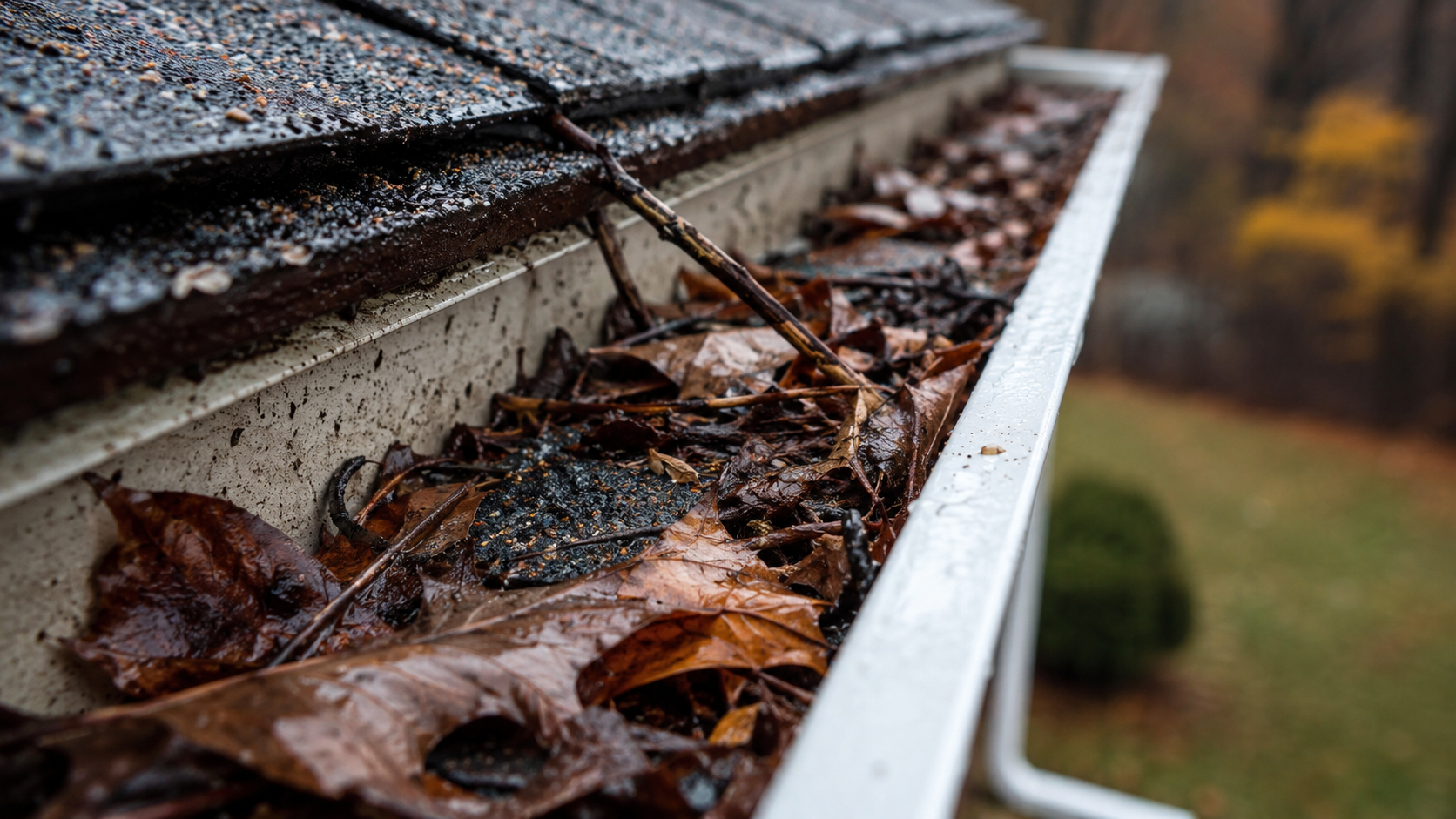
If you're tired of paying for gutter cleaning twice a year — or climbing a ladder to do it yourself — you've probably wondered what it would cost to just stop the problem at the source. Leaf guards (also called gutter guards or gutter covers) are a one-time investment that keeps leaves, pine needles, seeds, and debris out of your eavestroughs.

This guide explains what actually determines the price of leaf guard installation in Toronto, what a quality install should include, and how to decide whether guards are worth it for your home. At Perfect Window and Eaves Cleaning, every leaf guard installation includes a full gutter cleaning and any needed repairs first — because guards should never be installed over a dirty or failing system.

What determines the cost of leaf guard installation in Toronto?

There's no single flat price for leaf guards, because the right system and the amount of work depend on your specific home. Five factors shape every quote:

  1. Total roofline length. The biggest driver — more eavestrough means more material and labour. Pricing is usually based on the linear footage of your gutters.
  2. Guard type and quality. Thin builder-grade or clip-on guards are the cheapest option but can buckle under ice and debris. Heavier aluminum and micro-mesh systems cost more upfront and last far longer — often the difference between replacing them in a few winters and a system that performs for decades.
  3. Home height and roof pitch. Single-storey homes are the fastest to work on. Two- and three-storey homes need longer ladders, more safety setup, and careful handling on steeper pitches, all of which add time.
  4. Gutter condition before install. A reputable installer cleans and inspects your gutters first, and repairs sagging sections, loose hangers, or leaks so the guards mount to a solid system. Homes that need repairs first will see that reflected in the quote.
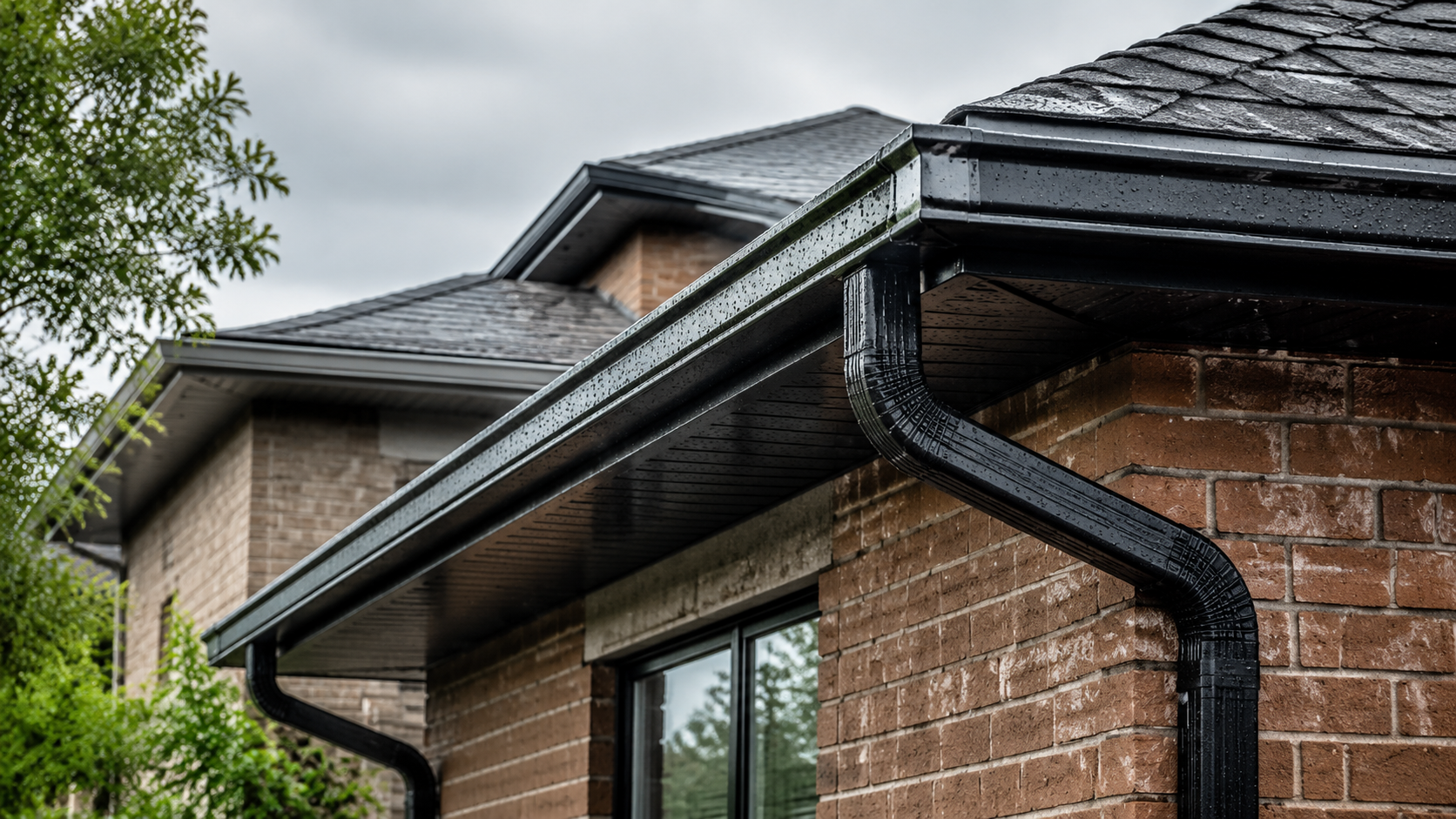
  5. Add-ons. Colour-matching guards to your eavestrough or roofline is a common request — many Toronto homeowners choose charcoal or bronze to match aluminum eavestroughs.

Because these factors vary so much from home to home, the best way to get an accurate number is to request a free quote — send us a few photos and we'll give you a clear price with no obligation.

Why is leaf guard pricing based on your roofline?

Gutter guards are measured and quoted by the linear foot of eavestrough, because that's what determines how much material and labour the job needs. One thing worth knowing: the per-foot cost often drops on larger jobs, because fixed costs like setup, travel, and safety preparation get spread across more footage. So a bigger roofline doesn't always mean a proportionally bigger bill — another reason a tailored quote beats a generic estimate.

Are leaf guards worth it?

For most Toronto homes, yes — and the reason is simple. Without guards, professional gutter cleaning is needed twice a year (spring and fall), and even more often for homes near mature trees. That's an ongoing, never-ending cost.

Quality leaf guards turn that into a one-time investment. They block the leaves, twigs, and seeds that cause the vast majority of clogs, which reduces your maintenance by roughly 90% — most homes go from two cleanings a year to a light inspection every 2–3 years. Over the lifespan of good aluminum guards, the savings on avoided cleanings add up substantially.

Beyond the cleaning savings, guards also reduce the risk of the expensive problems clogged gutters cause — overflow near the foundation, fascia and soffit rot, basement moisture, and winter ice dams. For homes surrounded by mature trees (think Lawrence Park, Forest Hill, The Kingsway, or any ravine-adjacent property), the payback comes even faster, because those homes need the most frequent cleaning.

Bottom line: if you're paying for gutter cleaning every spring and fall, quality leaf guards typically pay for themselves over time — and keep saving after that. Contact us for a free quote to see what they'd cost for your home.

What's included in a professional leaf guard installation?

A proper installation is more than snapping covers onto your gutters. A quality Toronto service should include:

  • Full eavestrough cleaning first — guards should never go on top of existing debris.
  • Gutter inspection and minor repairs — securing loose hangers, resealing leaks, and correcting sagging sections so guards mount to a sound system.
  • High-grade aluminum guards that resist rust and hold shape under snow and ice load.
  • Secure mounting that also strengthens the gutter-to-fascia connection (important under the weight of Canadian winter ice).
  • Thorough cleanup — your property left as it was found, minus the future clogs.

At Perfect Window and Eaves Cleaning, leaf guard installations use high-grade aluminum guards, come with a 4-year maintenance-free assurance, and most are completed within a single day. Learn more on the Leaf Guard Installation service page.

When is the best time to install leaf guards in Toronto?

The two ideal windows are late spring/summer and early fall — before the heavy leaf drop. Installing in summer is smart because:

  • Demand is lower than the fall rush, so scheduling is easier
  • Your gutters are cleaned and inspected as part of the job
  • You're fully protected before autumn leaves and seeds start falling
  • Any winter damage from the previous season gets caught and fixed at the same time

If you book in late summer or early fall, you head into leaf season already protected — and skip the most stressful cleaning of the year. Pair it with your final eavestrough cleaning for the best value.

Do leaf guards mean you never clean your gutters again?

Not quite — but close. Quality guards block leaves, twigs, and most debris, which is the vast majority of what clogs a gutter. Very fine particles like shingle grit can still settle over time, so the realistic expectation is a light inspection every 2–3 years instead of two full cleanings a year. Any installer who promises "never clean again, guaranteed forever" is overselling. The honest promise is a roughly 90% reduction in maintenance — which is exactly why the investment makes sense for most homes.

Frequently asked questions

How much do leaf guards cost in Toronto?
The cost depends on your roofline length, home height, the guard type you choose, and the condition of your existing gutters. Because every home is different, the most accurate way to know your price is a free, no-obligation quote — just
contact us and send a few photos of your home.

Are leaf guards worth the money?
For most Toronto homes, yes. They reduce ongoing maintenance by roughly 90% — from two cleanings a year to a light inspection every 2–3 years — and help prevent costly water damage, so they typically pay for themselves over time.

Do leaf guards stop me from ever cleaning my gutters?
They reduce maintenance dramatically but don't eliminate it. Most homes go from two cleanings a year to a light inspection every two to three years.

What type of leaf guard is best for Toronto winters?
Heavier aluminum and micro-mesh guards hold their shape under snow and ice, unlike thin clip-on guards that can buckle in the first winter. The right choice depends on your roof and tree coverage — we'll recommend the best fit when we quote your home.

When should I install leaf guards?
Late summer or early fall, before the heavy leaf drop, is ideal. Summer installs are easier to schedule and protect you before autumn debris begins.

Do you serve areas outside Toronto?
Yes. Perfect Window and Eaves Cleaning installs leaf guards across Toronto, Oakville, Mississauga, Etobicoke, and the wider Greater Toronto Area.

Get a free leaf guard installation quote in Toronto

Stop paying for gutter cleaning twice a year. Send us a few photos of your home and we'll provide a free, no-obligation quote for high-grade aluminum leaf guards — installed in about a day, with a 4-year maintenance-free assurance and a full gutter cleaning included. With 20+ years of experience and a 100% satisfaction guarantee, Perfect Window and Eaves Cleaning protects homes across the GTA.

📞 Call (647) 669-3434 or request your free quote online →

Perfect Window and Eaves Cleaning Inc. — Toronto, Ontario. Leaf guard installation, eavestrough cleaning, window cleaning, power washing & more across the Greater Toronto Area.

Share This Blog

By Burak Yayla June 17, 2026
Eavestrough Cleaning Services in Toronto & Oakville: A Homeowner’s Guide by Perfect Window Cleaning If you are looking for reliable eavestrough cleaning services in Toronto or Oakville, the most important thing is to choose a professional team that does more than remove visible leaves. A proper eavestrough cleaning service should clear debris, check downspouts, support proper water flow, and help protect your home from avoidable water-related damage. Perfect Window Cleaning provides professional eavestrough and gutter cleaning services across the Greater Toronto region, including Toronto and Oakville. Homeowners can request a free estimate by filling out the contact form or calling (647) 669-3434. Clean eavestroughs help move rainwater away from your roof, siding, windows, foundation, landscaping, walkways, and basement. When gutters are clogged, water can overflow, pool in the wrong places, and create problems that may become expensive over time. For most homes, eavestroughs should be cleaned at least once or twice per year. Homes near mature trees, ravines, heavy leaf fall, or pine needles may need more frequent cleaning. Why Eavestrough Cleaning Matters Eavestroughs are one of the most important drainage systems on a home, but they are easy to overlook until something goes wrong. When they are working properly, they collect rainwater and melting snow from the roof and direct it safely away through the downspouts. When they are clogged, water has nowhere to go. Blocked eavestroughs can cause water to overflow near the roof edge, spill down siding, soak garden beds, pool around the foundation, or freeze during colder months. Over time, this can lead to stained exterior surfaces, damaged fascia, loose gutter sections, basement moisture concerns, and costly repairs that could often have been prevented with routine cleaning. For homeowners searching for gutter cleaning Toronto, eavestrough cleaning Toronto, gutter cleaning Oakville, or eavestrough cleaning Oakville, the need is usually practical and urgent. Water may already be overflowing, the gutters may look packed with debris, or it may simply have been too long since the last cleaning. That is where a professional service makes a difference. Perfect Window Cleaning helps homeowners keep their eavestrough systems clear, functional, and ready for changing Southern Ontario weather. Eavestrough Cleaning vs. Gutter Cleaning In Canada, the terms eavestrough cleaning and gutter cleaning are often used interchangeably. “Eavestrough” is the more common local term, while “gutter” is frequently used in online searches and service listings. That means homeowners may search using different phrases while looking for the same service: Eavestrough cleaning Toronto Gutter cleaning Toronto Eavestrough cleaning services Toronto Gutter cleaning services Toronto Eavestrough cleaning Oakville Gutter cleaning Oakville Gutter cleaner Toronto Eavestrough cleaner Oakville Gutter cleaning near me Toronto Eavestrough cleaning near me Oakville No matter which term you use, the goal is the same: remove debris, restore water flow, and help protect the home from water overflow. What Is Included in Professional Eavestrough Cleaning? A complete eavestrough cleaning service should focus on the full drainage path, not just the visible top of the gutter. At Perfect Window Cleaning, eavestrough cleaning is designed to help keep the system clear, functional, and tidy. 1. Eavestrough Debris Removal Leaves, twigs, roof grit, shingle dust, seeds, moss, dirt, and other debris can build up inside the eavestrough. If debris becomes wet and compacted, it can block the flow of water and add unnecessary weight to the system. Professional debris removal helps prevent clogs, overflow, and standing water. 2. Downspout Cleaning Downspouts are essential because they carry water away from the eavestrough and down to ground level. A gutter can look clean but still overflow if the downspout is blocked. A proper gutter and eavestrough cleaning service should check the downspouts and clear blockages where possible. If water cannot exit the system, the eavestrough cannot do its job. 3. Water Flow Support The purpose of cleaning is not just to make the gutter look better. It is to support proper drainage. Once debris and blockages are removed, water should be able to move toward the downspouts and away from the home. 4. Responsible Cleanup After the eavestroughs are cleaned, debris should not be left scattered around the property. A professional service should collect the leaves and debris so the home exterior looks clean after the appointment. 5. Visual Awareness of Potential Issues Cleaning can also reveal visible issues such as sagging sections, loose fasteners, leaking corners, damaged elbows, or areas where the eavestrough may not be draining correctly. While cleaning is different from repair, it often helps homeowners spot problems before they become more serious. 
By Burak Yayla June 15, 2026
Exterior House Washing
By Burak Yayla June 3, 2026
Eavestroughs and gutters quietly protect Toronto homes and businesses by directing rain and melting snow away from foundations, siding, and landscaping. When they clog with leaves, shingle grit, and debris, water can overflow and cause avoidable damage—making eavestrough cleaning in Toronto an essential seasonal task, not an afterthought.
By Burak Yayla June 2, 2026
Clear, streak-free glass can transform how a property looks and feels, especially in Toronto where seasonal grime, road salt, and hard-water spotting build up quickly. This guide explains what high-quality window cleaning involves, what it costs, and how to choose the best window cleaning Toronto property owners can rely on year-round.
By Burak Yayla May 20, 2026
In Toronto’s four-season climate, clean windows do more than improve curb appeal—they protect glass and frames from grime, salt residue, and construction dust while letting in more natural light. Interior and exterior window cleaning, done on a consistent schedule, helps homes and low-rise properties across the GTA stay brighter, healthier, and easier to maintain. Interior & Exterior Window Cleaning Why professional window cleaning matters in Toronto Toronto properties face unique challenges that make routine window care a practical investment. Winter road salt and freeze-thaw cycles can leave mineral deposits on exterior glass. Spring pollen and summer humidity can cause film buildup, while fall debris can clog eavestroughs and splash dirt onto siding and windows. In dense neighbourhoods, nearby renovations and condominium construction can also introduce fine dust that bonds to glass and tracks. Professional interior and exterior window cleaning typically includes a detail-focused process: removing loose debris, washing glass, clearing edges and frames, and finishing for a streak-free result. For homeowners and property managers seeking the best interior and exterior window cleaning Toronto providers offer, the difference is often in the details—proper water management, safe ladder use, and the right tools for different glazing types. What’s included: interior vs. exterior window cleaning Interior window cleaning Interior glass tends to collect household film from cooking vapours, dust, and off-gassing from materials, plus fingerprints and pet nose marks. A thorough service usually covers: Glass washing and polishing for a clear finish Wiping sills and ledges (where accessible) Detailing corners and edges where haze often remains Spot-checking screens from the interior side (where applicable) For condos and townhomes, interior-only appointments can be a helpful option when exterior access is limited or managed by a building. Exterior window cleaning Exterior glass is exposed to weather, pollution, and organic debris. A quality exterior service often includes: Pre-rinse to remove grit that can scratch glass Scrubbing with a professional washer or soft bristle tools Squeegee finishing and edge detailing Light frame wiping and sill rinse where safe and appropriate Some companies use traditional methods, while others use water-fed pole systems with purified water for certain heights and window types. The correct method depends on access, glass condition, and the risk of overspray near vents, brick, and wood trim.
By Burak Yayla May 19, 2026
Residential & Commercial Painting
By Burak Yayla May 7, 2026
Toronto’s freeze-thaw cycles, spring downpours, and mature tree canopy make eavestrough repair a common—and time-sensitive—home maintenance task. When gutters fail, water can spill near the foundation, damage fascia and soffits, and contribute to basement moisture, making early diagnosis and targeted fixes the most cost-effective approach. Gutters direct roof water away safely Eavestrough Repair in Toronto: A Practical Guide to Protecting the Home Why functioning eavestroughs matter in Toronto Eavestroughs (gutters) are designed to capture roof runoff and direct it safely away from the structure through downspouts and extensions. In Toronto, where winter ice, rapid thaws, and heavy rain events can occur within the same season, a compromised system often shows up quickly: overflowing water, ice buildup at the roof edge, or staining on siding. Timely eavestrough repair helps prevent avoidable damage to roof edges, brickwork, landscaping, and the foundation perimeter. Most problems begin small—an open seam, a loose bracket, a partially blocked downspout—and then escalate. Overflowing gutters can saturate soil beside the home, increasing hydrostatic pressure against foundation walls. Water can also track behind the gutter, wetting fascia boards and soffits. For many Toronto homes, especially older properties with mature trees, seasonal maintenance and occasional gutter repair are essential to long-term building performance. Common eavestrough problems homeowners encounter Effective eavestrough repair starts with identifying the failure point. Toronto’s weather and debris loads create a predictable set of issues. Clogs and poor flow : Leaves, seeds, and shingle granules can restrict the trough or downspout, leading to overflow during rain. Leaks at seams, corners, and end caps : Older sealant can crack, and fasteners can loosen over time. Sagging sections : Loose hangers or undersized fastening can cause a low spot that holds water and accelerates corrosion. Improper slope : If the pitch is too flat or slopes away from the downspout, standing water and debris buildup are more likely. Downspout issues : Crushed, disconnected, or clogged downspouts can make a healthy gutter overflow. Ice and winter stress : Snow loads and freeze-thaw cycles can pull gutters away from fascia or open seams, especially where ice accumulates. Rust or pinholes (metal systems) : Steel components can corrode; small pinholes often appear before larger failures. Warning signs that eavestrough repair is needed Some symptoms are obvious, while others are subtle until damage appears. A quick exterior check during or after rainfall can reveal early problems. Water spilling over the front edge of the gutter during moderate rain Dripping at seams, corners, or behind the gutter line Peeling paint, soft wood, or staining on fascia and soffits Pooling water near the foundation or eroded soil under an eaves line Gutters pulling away from the roof edge or visible sag between hangers Plants growing in the trough or persistent debris buildup Basement dampness that worsens after storms (often linked to poor drainage) In Toronto’s climate, these signs should be treated as urgent during spring and fall, when rain events are frequent and temperatures fluctuate around freezing. How eavestrough repair is typically done Professional gutter repair generally follows a simple logic: restore water flow, re-establish correct slope, and ensure secure attachment to the fascia, then test the system. While each home differs, these are the most common repair steps. 1) Clearing debris and restoring flow Clog removal is often the fastest improvement. Debris is cleared from troughs, downspouts are flushed, and elbows are checked for blockages. If downspouts discharge too close to the foundation, extensions or splash blocks are often recommended to move water farther away. 2) Sealing leaks at joints and end caps Leaking seams and corners may be re-sealed using appropriate exterior sealants and replacement fasteners. Failed sealant is removed where possible, then surfaces are cleaned and dried before resealing for better adhesion. For older systems with multiple failing seams, it may be more cost-effective to replace sections rather than repeatedly patching. 3) Re-hanging sagging or loose sections Sagging gutters are typically corrected by adding or replacing hangers and ensuring they anchor into solid material. The goal is to remove low spots that trap water. A properly supported eavestrough line can reduce standing water, limit winter ice stress, and improve drainage during storms. 4) Correcting slope (pitch) A gutter should slope gently toward downspouts to prevent water from pooling. If the pitch is wrong due to settlement or previous improper installation, the run may be re-leveled and re-secured. This is a common eavestrough repair on older Toronto homes where fascia boards may have shifted over time. 5) Repairing or replacing downspouts Downspouts are critical to system performance. Repairs can include reattaching disconnected joints, replacing crushed sections, adding elbows to improve routing, or improving discharge away from the house. When water is carried farther from the foundation, the entire drainage system works better. Common gutter leak and support components Toronto-specific factors: ice, trees, and older housing stock Local conditions influence both the frequency of gutter repair and the best long-term strategy. Freeze-thaw cycles : Water trapped in low spots can freeze, expand, and open seams. Correct slope and secure hangers reduce this risk. Snow and ice accumulation : Heavy snow loads can stress fasteners and fascia. Where ice buildup is recurring, improving attic insulation and ventilation may help reduce meltwater refreezing at the roof edge. Mature trees : Many Toronto neighbourhoods have significant canopy coverage, increasing leaf and seed debris. Seasonal cleaning and, in some cases, gutter guards can help—though guards still require periodic inspection. Older fascia and soffit materials : In older homes, wood components may be softened by prior leaks. Eavestrough repair may need to include fascia board repair so new fasteners can hold properly. Repair vs. replacement: how to decide Not every issue calls for a full system replacement. The decision typically depends on the extent of damage, the age and material of the gutters, and how many failure points exist. Repair is usually appropriate when the gutter has isolated leaks, a few loose hangers, minor slope issues, or a damaged downspout section. Partial replacement makes sense when one run is heavily damaged, sections are bent, or seams repeatedly fail in the same area. Full replacement may be more cost-effective if there is widespread corrosion, multiple failing seams, chronic overflow despite cleaning, or significant fascia deterioration. Seamless aluminum systems are common in the GTA because they reduce the number of joints where leaks develop. However, even seamless gutters can require eavestrough repair at corners, end caps, downspout outlets, and attachment points. What a thorough inspection should include A reliable inspection focuses on water control, not just the visible gutter line. A comprehensive assessment typically checks: Gutter attachment points and spacing of hangers Evidence of overflow: staining, drip lines, soil erosion, or splashing marks Seam and corner integrity, including end caps and outlets Pitch consistency along each run Downspout alignment, clogs, and discharge distance from the foundation Condition of fascia boards and soffits behind the gutter Signs of ice-related stress or previous winter damage In Toronto, inspections are most productive in spring (post-winter) and fall (after leaf drop). After an extreme storm, a quick check can catch damage early. Maintenance tips that reduce future eavestrough repair Preventive care limits emergency calls and extends system life. The best maintenance plan is simple and consistent. Clean gutters seasonally : Many Toronto properties benefit from cleaning in late spring and late fall; homes with heavy tree coverage may need additional checks. Flush downspouts : Clearing the trough is not enough if the downspout is restricted. Ensuring free flow reduces overflow. Check after wind events : Strong winds can loosen brackets and dislodge elbows or extensions. Confirm discharge routing : Downspouts should direct water away from the foundation. Extensions should be secure and positioned to prevent water from returning toward the home. Address minor leaks early : Small seam leaks can become rot and fastener failure if left through multiple seasons. Keep roof valleys and edges clear : Debris on the roof can wash into gutters and accelerate clogging. Choosing an eavestrough repair service in Toronto When hiring a local contractor, homeowners typically look for clear diagnostics, durable materials, and workmanship aligned with Canadian weather conditions. A reputable provider should be able to explain the root cause of overflow or leakage, identify whether the issue is slope, blockage, attachment, or fascia condition, and outline repair options with a plan to test flow afterward. It is also reasonable to expect guidance on long-term drainage improvements, such as downspout extensions, splash blocks, or rerouting discharge to reduce foundation saturation. For properties with recurring winter problems, recommendations may include addressing roof-edge ice contributors in addition to gutter repair. Conclusion: protect the home by fixing the flow Eavestrough repair is one of the most practical ways to protect a Toronto home from water damage. By addressing clogs, leaks, sagging runs, and downspout problems early, homeowners can reduce overflow, limit fascia and soffit deterioration, and keep water away from the foundation. With routine inspections and seasonal maintenance tailored to Toronto’s climate, most gutter systems can perform reliably year after year.
Person paints a wall gray with a roller. Interior setting, visible shoulder bag.
By Burak Yayla April 22, 2026
Listing your home this spring? Learn the best paint updates, junk removal tips, and quick exterior touch‑ups that help Toronto properties show better and sell faster.
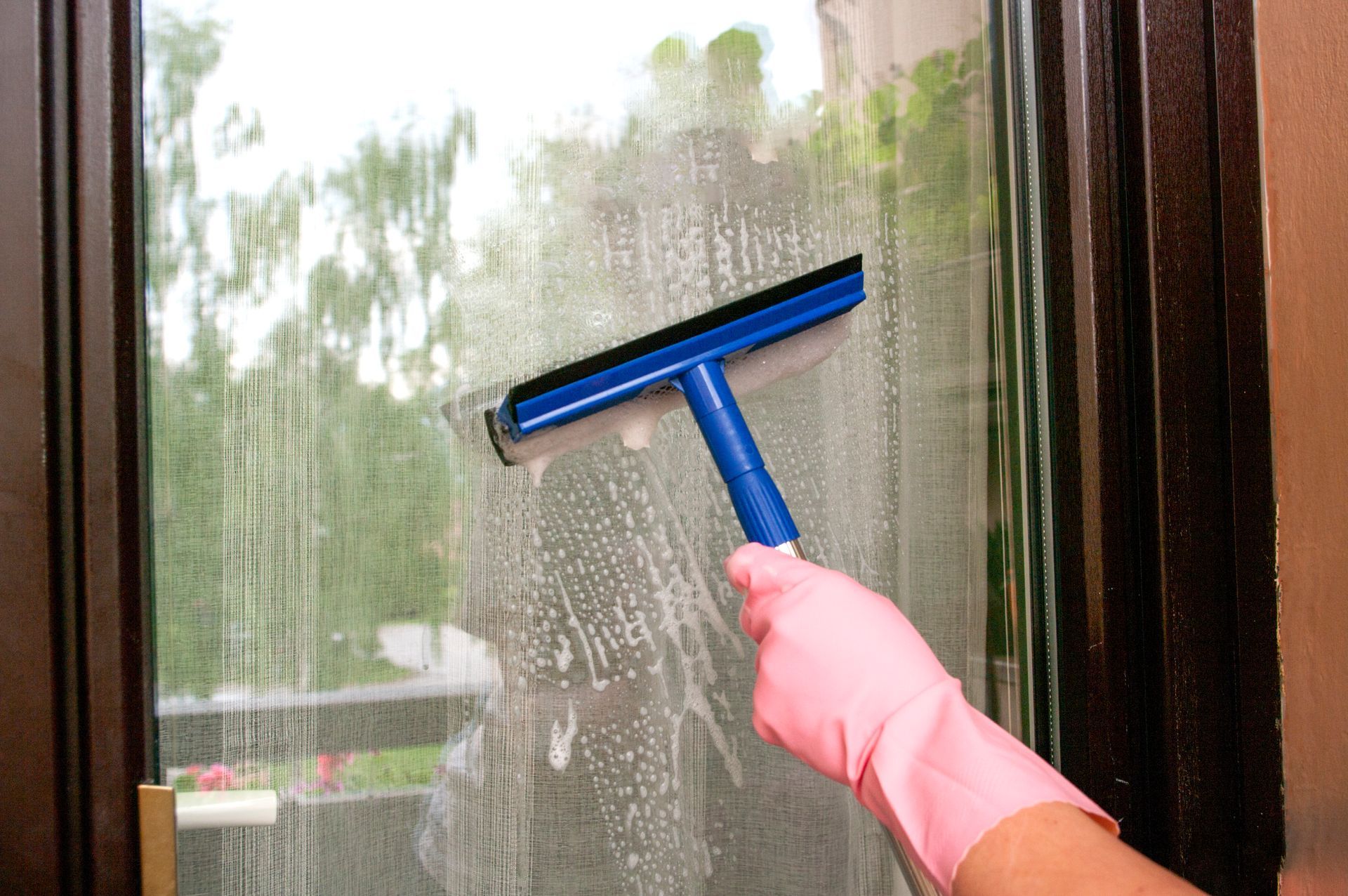
Person wearing pink glove using a blue squeegee to clean a window.
By Burak Yayla April 7, 2026
How often should you clean exterior windows in Toronto? Explore spring cleaning timelines, safe ladder‑free methods, and when to book professional window cleaners.
Person pressure washing a gray patio with water, near plants and steps.
By Burak Yayla March 17, 2026
Ask “Is power washing worth it?” this spring? Compare DIY vs. pro results, learn when it’s safe to wash in Toronto’s climate, and which surfaces need expert care.