Painting House in Toronto & Oakville
This is a subtitle for your new post

Painting House Near Me: How to Choose the Right House Painter in Toronto
Why “near me” matters for Toronto-area house painting
For local homeowners, proximity is not just about convenience. A nearby crew typically understands Toronto’s housing styles, seasonal weather swings, and common substrate issues—from older wood trim to masonry and aluminum siding. Local availability also helps with:
- Faster estimates and site visits: Less travel time can mean quicker scheduling for in-person assessments.
- Better product selection: Contractors familiar with local suppliers can match primers and topcoats to humidity and freeze-thaw conditions.
- Neighborhood-specific knowledge: Historic areas, condos with rules, and narrow laneways often require experience and planning.
When the goal is reliable house painting Toronto homeowners can trust, choosing a local provider can reduce risk and improve project coordination.
What a professional house painting project should include
Quality results come from process, not just paint. A reputable painter typically provides a written scope of work that clarifies surfaces, prep, materials, number of coats, and cleanup. For both interior and exterior projects, the work plan should address:
- Surface preparation: Washing, scraping, sanding, caulking, patching, and priming as needed.
- Protection: Floor coverings, masking, protecting landscaping, and shielding fixtures and hardware.
- Paint system: Specific primer and finish products (brand/line), sheen levels, and tinting approach.
- Application method: Brush/roll or spray (and back-rolling where appropriate) based on surface type.
- Ventilation and drying time: Especially important for interiors and cool or humid conditions.
- Final walkthrough: Touch-ups, cleanup, waste removal, and confirmation of completion.
Homeowners comparing quotes should look for detailed documentation rather than a single price line. A clear plan often indicates a contractor who is organized and accountable.
House painting in Toronto: conditions that affect durability
Toronto’s climate can be hard on exterior coatings. Temperature fluctuations, strong sun exposure, wind-driven rain, and winter salt all influence how long paint lasts. A durable exterior paint job usually depends on:
- Moisture management: Addressing caulking gaps, peeling areas, and water intrusion before coating.
- Correct primer selection: Stain-blocking primers for tannin bleed on wood, bonding primers for glossy surfaces, and masonry primers for porous brick.
- Timing: Painting within recommended temperature and humidity ranges for proper curing.
- Proper film build: Applying the right amount of product (not too thin) for long-term protection.
For interior work, durability depends on choosing washable, scuff-resistant finishes for high-traffic areas and ensuring clean, sound substrates before painting.
How to compare quotes without overpaying
Price differences are common because painters may assume different prep levels, paint lines, or coat counts. A strong comparison approach is to request quotes that specify the same baseline items. Homeowners can ask each contractor to confirm:
- Exact surfaces included: Walls, ceilings, trim, doors, frames, railings, soffits, fascia, and garage doors.
- Prep steps: Patch size limits, sanding extent, caulking, and repairs (and what is excluded).
- Number of coats: One vs. two coats, and what happens if coverage is not achieved.
- Paint product and sheen: A premium product may cost more but can reduce maintenance cycles.
- Protection and cleanup: Dust control, furniture moving policy, and disposal.
- Warranty terms: Length, what is covered (peeling, blistering), and maintenance expectations.
A lower price can be reasonable if the scope is smaller or the product line is different, but it can also signal reduced preparation—often the biggest driver of early failure.
Questions to ask when searching “painting house near me”
Online listings and reviews can narrow the field, but a short interview often reveals whether a painter is a good fit. Common screening questions include:
- What prep is included for the specific surfaces in this home? (Older plaster, stained trim, textured ceilings, etc.)
- Which paint lines are recommended and why? A professional should explain performance trade-offs.
- How will colour consistency be managed? Batch mixing and proper tinting reduce variation.
- What is the start date and project duration? A realistic timeline should consider curing and weather.
- How will the site be protected? Masking, drop cloths, and careful handling of floors and fixtures.
- Who is responsible for repairs discovered mid-project? A change-order process prevents confusion.
Homeowners seeking house painting Toronto services should prioritize clarity. If the contractor avoids specifics, the project can become unpredictable.
Interior painting: results depend on prep and finish selection
Toronto homes include everything from new-build drywall to century homes with layered coatings. Interior quality comes down to surface correction and finish strategy:
- Walls: Proper patching, sanding, and spot priming help avoid flashing and visible repair edges.
- Ceilings: Flat finishes hide imperfections but require careful cutting and consistent rolling.
- Trim and doors: Durable enamels (waterborne alkyd or acrylic enamel) improve leveling and cleanability.
- Kitchens and baths: Moisture-resistant paints and adequate ventilation reduce mildew risk.
Colour consultations can also reduce risk. Sampling in different lighting conditions—daylight, warm LEDs, and evening shadows—helps prevent costly repaint decisions.
Exterior painting: what to look for on wood, brick, and siding
Exterior surfaces vary widely across the GTA, so the best approach depends on what the home is made of and how it has been maintained.
Wood siding and trim
Wood requires thorough scraping, sanding, and spot priming; failing to remove loose paint can cause rapid peeling. Caulking should be applied strategically—sealing gaps while allowing necessary drainage paths.
Brick and masonry
Painting brick can modernize a façade, but it must be done carefully. Masonry should be clean, dry, and free of salts (efflorescence). Breathable masonry coatings may be recommended depending on moisture conditions.
Aluminum and vinyl siding
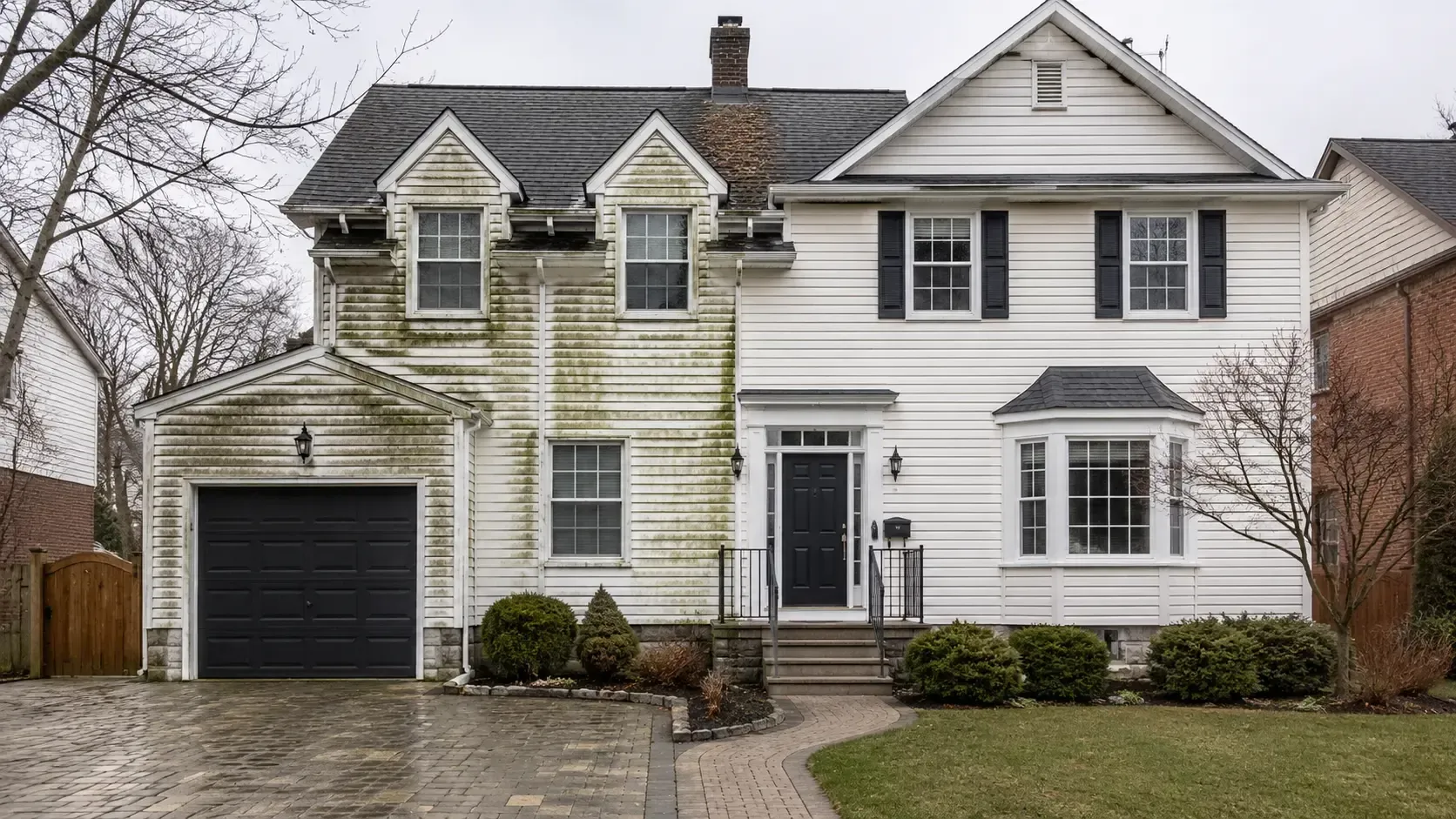
Bonding primer and appropriate topcoats are critical for adhesion. Colour choices should consider heat absorption; darker shades can stress certain siding materials.
Because Toronto weather can shift quickly, a contractor’s plan for rain days and curing time is especially important for exterior jobs.
House painting in Oakville: what Toronto homeowners should know
Many providers serving Toronto also offer house painting Oakville services, and homeowners moving between communities often notice differences in home styles, lot exposure, and finish expectations. Oakville properties frequently feature larger façades, more detailed exterior trim, and high-visibility curb appeal requirements—factors that can increase labour and material planning.
When comparing house painting Oakville quotes with Toronto quotes, the price per project may differ due to:
- Surface area and architectural detail: More trim, soffits, and features can increase prep and cutting time.
- Access needs: Taller elevations may require more ladder work or equipment.
- Higher finish expectations: Premium coatings and extra sanding are more common for a refined look.
A contractor familiar with both markets can help standardize scope and recommend products that perform across the lakeshore climate and inland conditions.
How to prepare a home for a smooth paint job
Homeowners can reduce downtime and help the crew work efficiently with a few practical steps.
Interior preparation checklist
- Remove fragile items from shelves and walls; set aside artwork and mirrors.
- Clear surfaces near walls and place small items in bins.
- Plan for pets to be in a separate area to reduce stress and safety risks.
- Confirm paint colours, sheen levels, and feature walls in writing before start day.
Exterior preparation checklist
- Move patio furniture, grills, and planters away from work zones.
- Trim back vegetation that touches siding or trim.
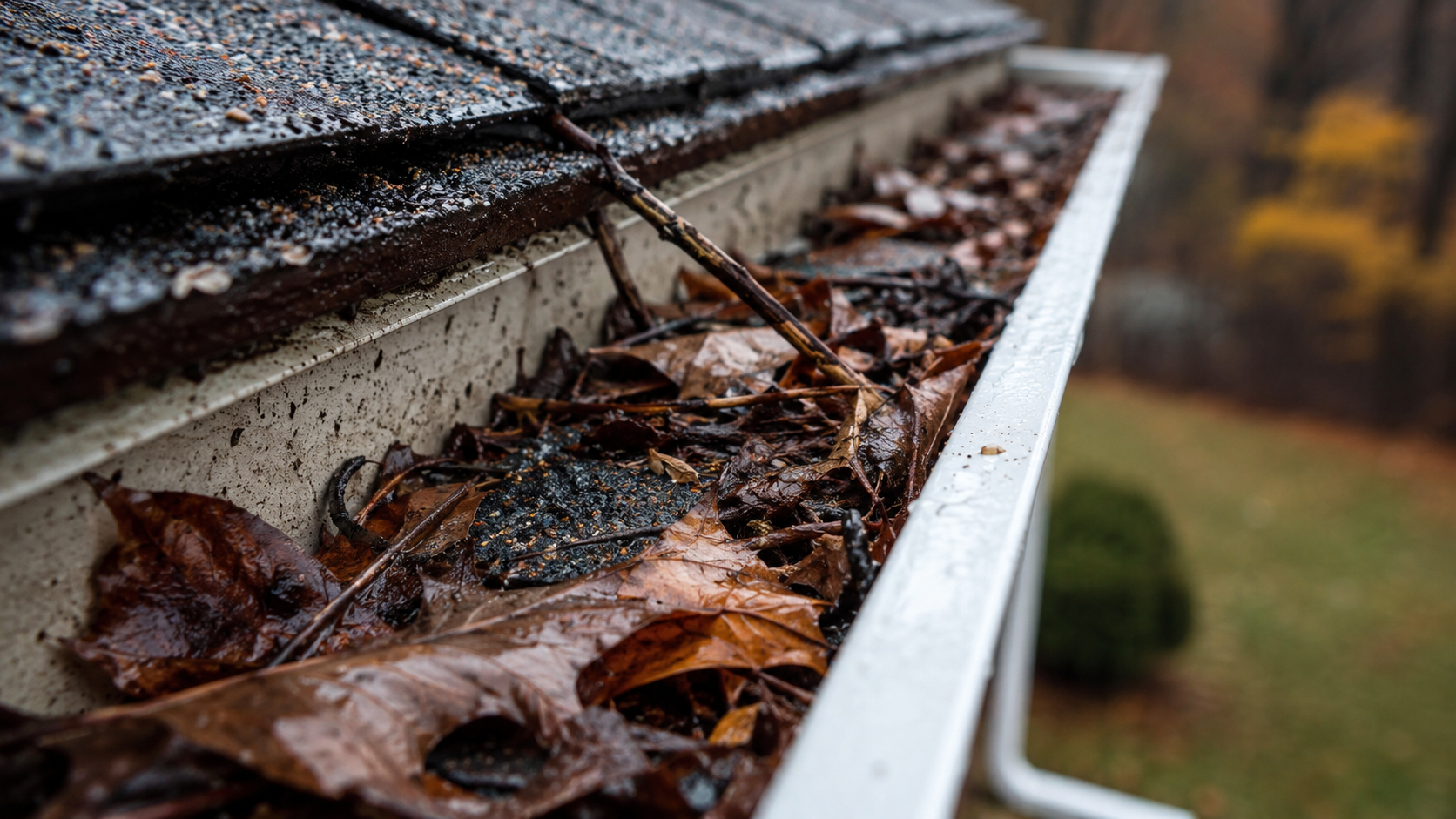
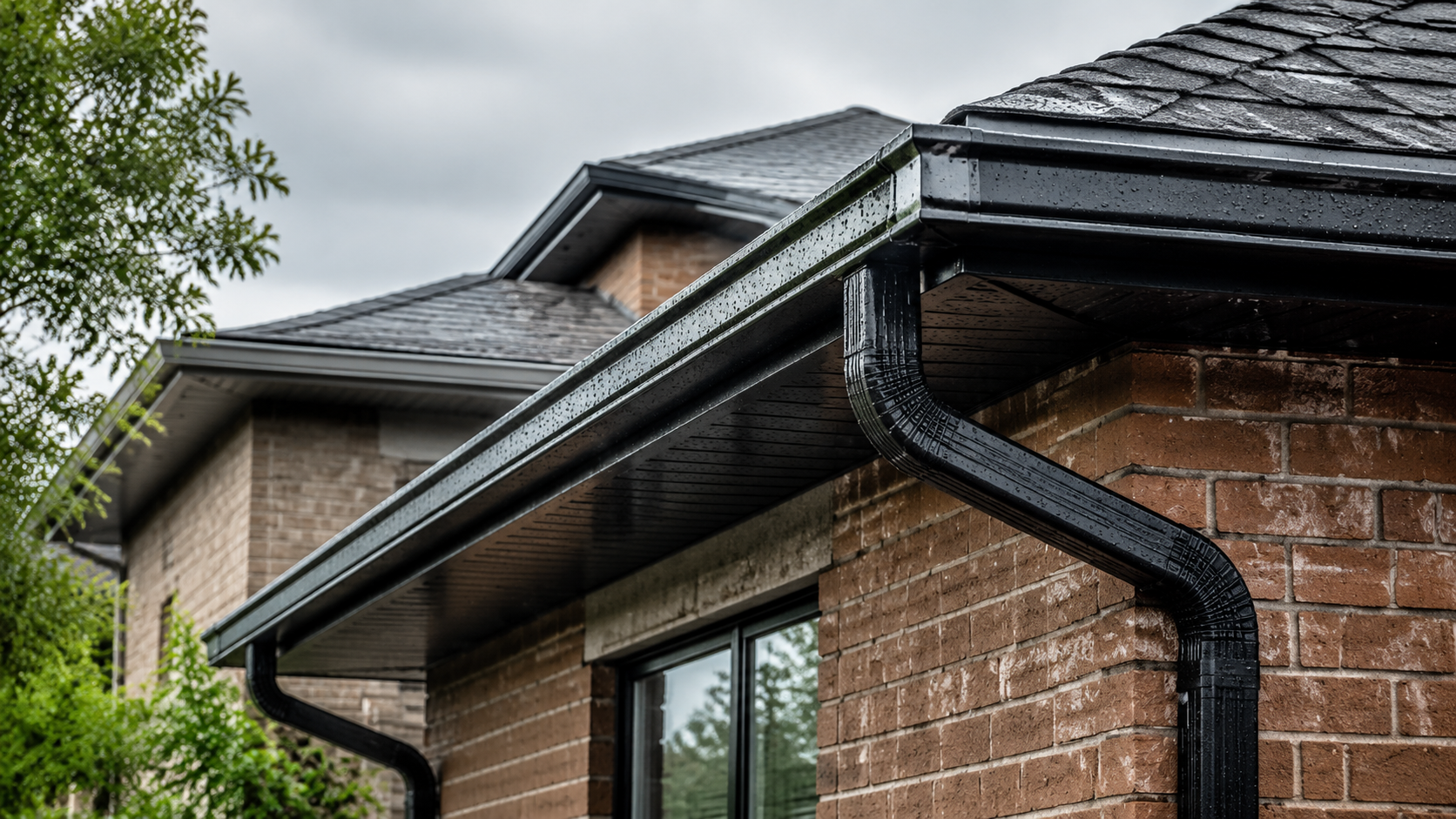
- Identify any water issues (leaky gutters, downspouts) that could compromise paint.
- Confirm access points, parking, and any condo or municipal constraints.
Good preparation supports a safer site and helps maintain a cleaner finish, particularly on windy days.
Common mistakes to avoid when hiring a painter
Even a well-reviewed listing can be the wrong fit if the scope is unclear. These issues commonly lead to disputes or disappointing results:
- Vague estimates: Missing prep details, paint lines, or coat counts.
- Choosing based on price alone: Underbidding often shows up later in shortcuts or add-ons.
- Skipping surface testing: Stains, glossy finishes, and previous coatings can require specific primers.
- Unrealistic timelines: Rushed work can leave roller marks, drips, or poor adhesion.
- No plan for change orders: Additional repairs should be documented before proceeding.
For homeowners focused on dependable house painting Toronto outcomes, the most effective prevention is a written scope, clear expectations, and a final walkthrough standard.
Conclusion: finding reliable “painting house near me” in Toronto
The best match for “painting house near me” is a local contractor who documents preparation, specifies products, and explains how the paint system will perform in Toronto’s conditions. By comparing detailed quotes, confirming prep and warranty terms, and planning the project around weather and curing time, homeowners can achieve a finish that looks sharp and lasts. Whether the property is in the city or requires house painting Oakville expertise, a structured approach helps ensure a smooth project from first estimate to final touch-up.
Share This Blog